
What Makes a Great Client-Advisor Relationship
(And Why It Matters for Your Trip)
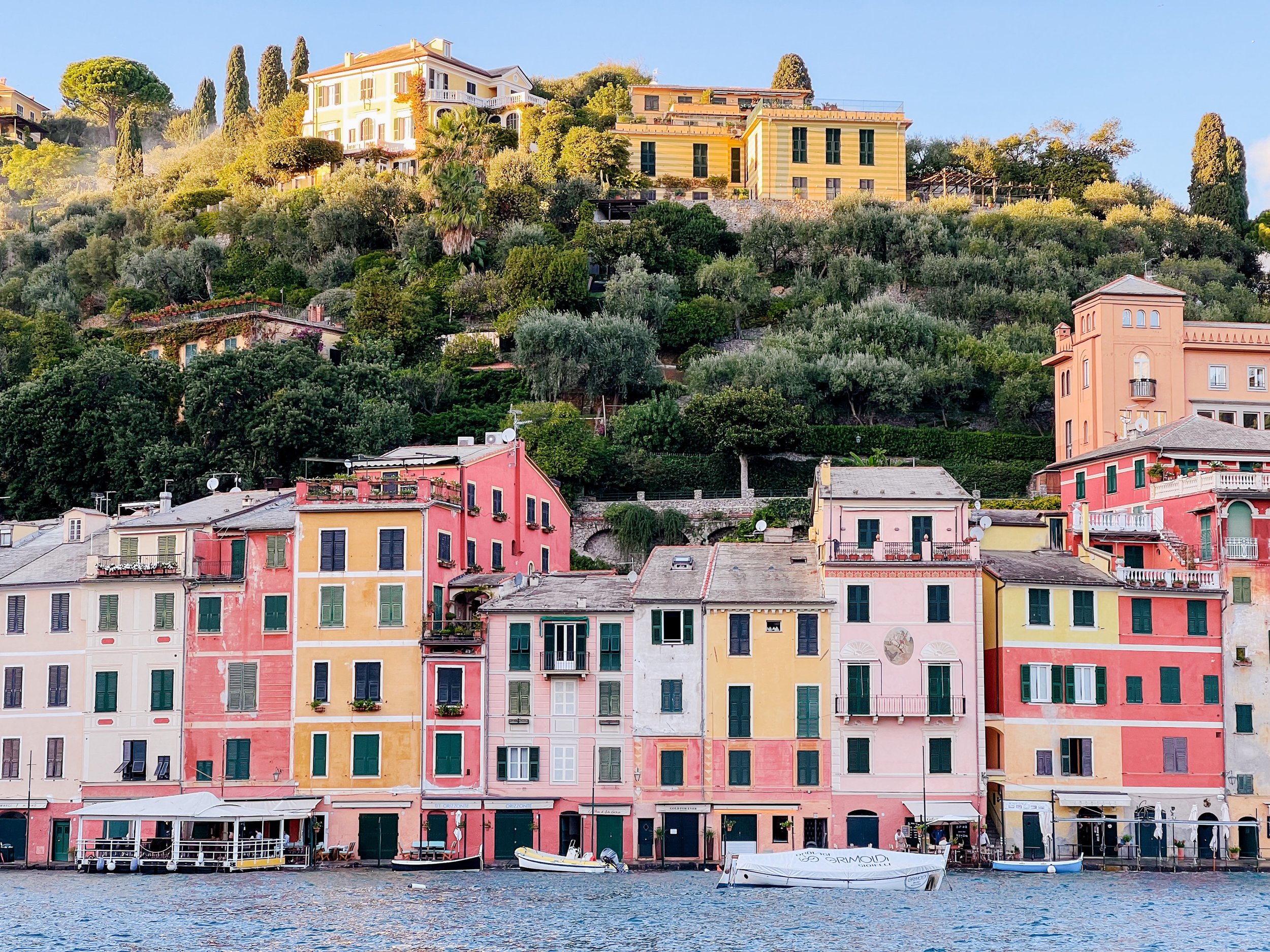
Planning travel well is a collaborative process. The trips that come together most smoothly — where the hotels feel exactly right, the pacing makes sense, and the whole thing feels effortless by the time you arrive — aren't just the result of good taste and good contacts. They're the result of good communication.
After years of planning trips for all kinds of travellers, I've noticed a few patterns. Here's what I've learned about what makes the process work — and what tends to get in the way.
Before We Begin

Earlier is always better.
The further out we start, the more options we have. For most trips, six months is a good starting point, and for something bigger like a safari, a honeymoon, or a destination wedding, a year out is ideal. Availability at the best hotels goes quickly, prices don't improve with time, and last-minute almost always means compromise.
Photo courtesy of One&Only Mandarina, Nayarit, Mexico

Your budget isn't something to be coy about.
I understand why people hesitate here, nobody wants to feel like they're being upsold or judged. But knowing what you're comfortable spending is what lets me find the best possible trip for your money — not the cheapest option, but the right one.
Photo courtesy of Hotel de Russie, a Rocco Forte Hotel, Rome

The details you think are minor usually aren't.
Separate beds or a king? Ground floor or high up? Early dinners or late ones? An allergy, a mobility consideration, a strong preference against anything too touristy? These things shape the entire trip. The more context I have going in, the less we need to adjust along the way, and the more the whole thing feels tailored to you.
Photo courtesy of La Fiermontina Palazzo Bozzi Corso, Lecce, Italy
What I Actually Do
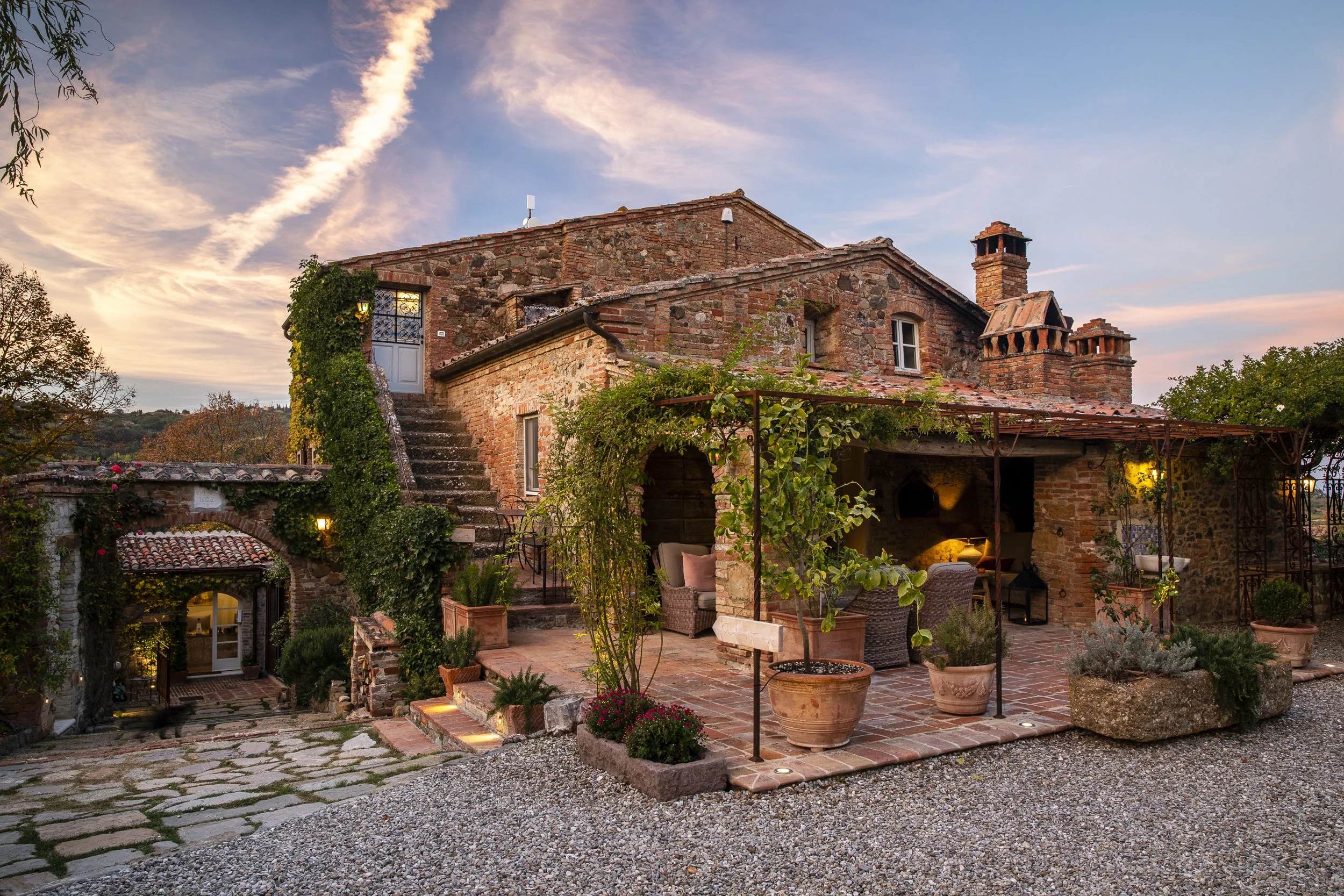
Every recommendation has a reason behind it.
When I suggest a hotel or a particular neighbourhood or a specific restaurant, it's not because it came up in a quick search. It's because it fits — your travel style, your pace, your priorities, the rest of the itinerary. There's a lot of thinking that happens before anything lands in your inbox. Engaging with that process, asking questions, telling me what resonates and what doesn't — that's how we refine it into something really good.
Photo courtesy of Lupaia, Tuscany, Italy

Your hotel isn't just where you sleep.
It's the neighbourhood you're walking out into each morning, the baseline for how the whole trip feels, and often the difference between experiencing a place and just passing through it. I put a lot of thought into accommodation, not just price and location, but character, service, and whether it genuinely fits the trip I'm building for you.
Photo courtesy of AlmaLusa Alfama, Lisbon, Portugal
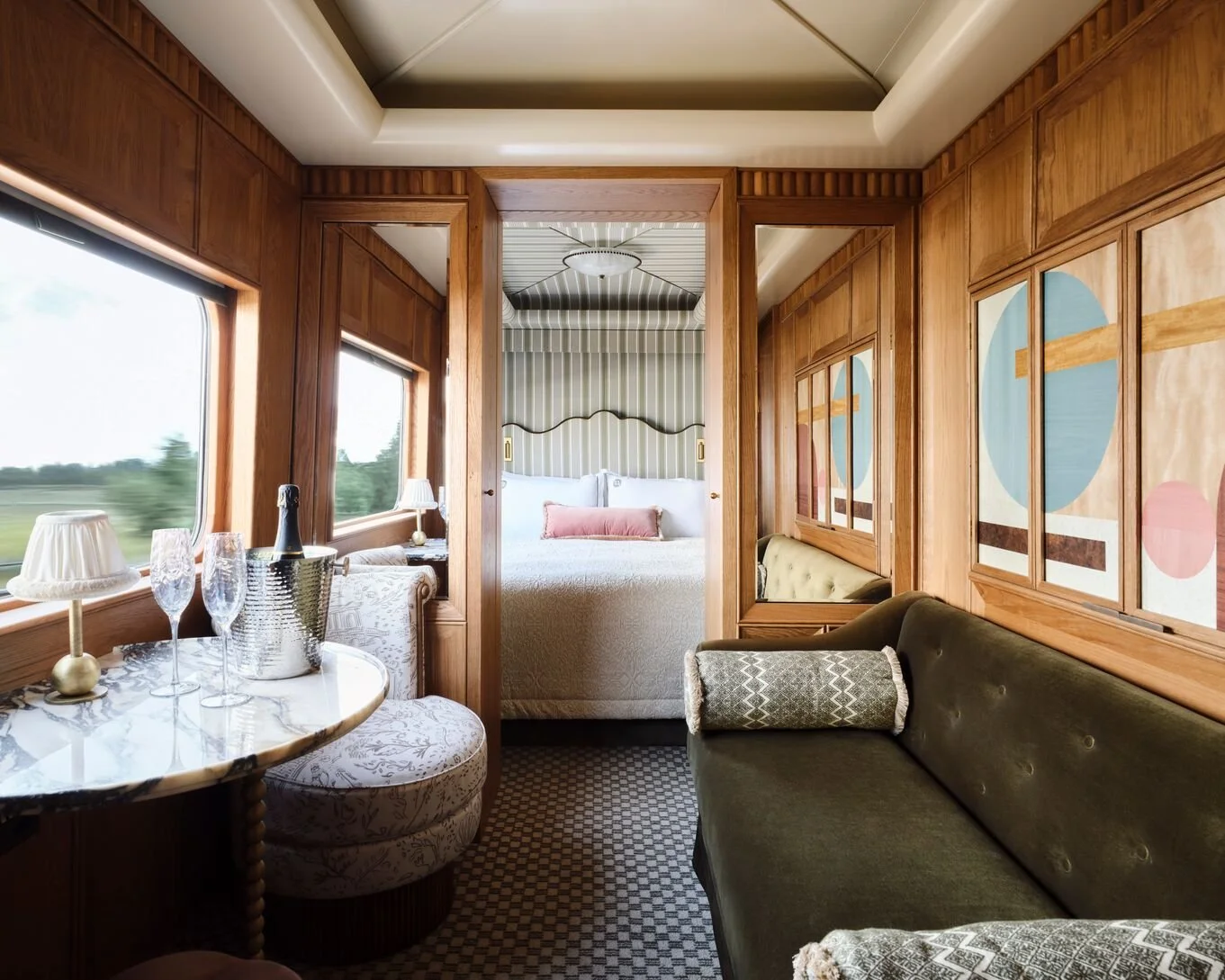
Full planning means everything works together.
When every detail of your trip is considered together — where you stay, how you get there, how each day flows — nothing is left to chance. That's what makes the difference between a trip that feels seamless and one that feels like a series of bookings.
Photo courtesy of Britannic Explorer, A Belmond Train
How We Work Together
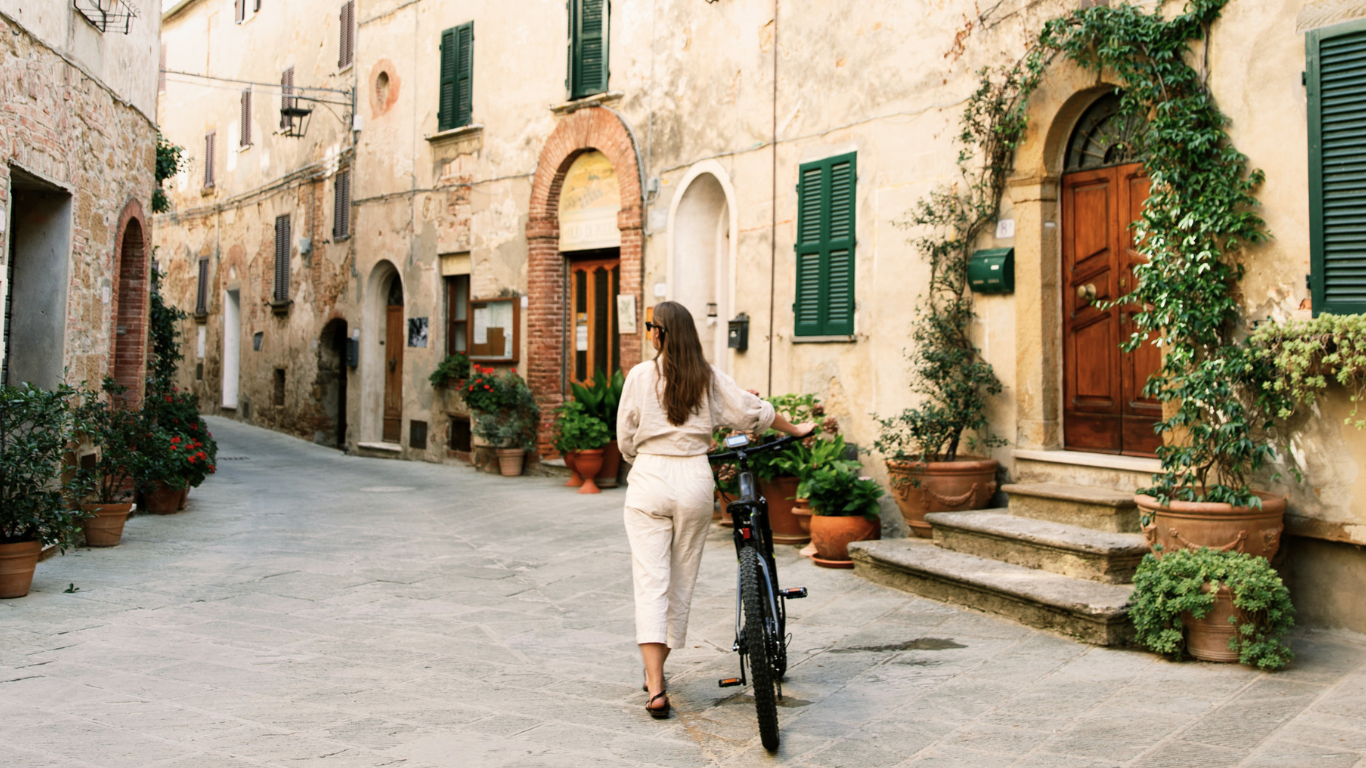
Keep communication in email — not text.
It's the best way to make sure nothing gets missed. I also use a digital itinerary app where your trip lives, with your bookings, approvals, and payments all in one place, so between the two, everything stays organized and easy to reference.
Some conversations are better had over the phone.
For initial planning calls and pre-departure reviews, I schedule dedicated time so you have my full attention and we can work through everything properly. It's a much better use of both our time than trying to sort complex details over a long email chain, and it means nothing gets missed.
When something looks right, don't wait.
The best hotels are often booked months in advance. Rates can change overnight. When something stands out as the right fit and I recommend moving on it, that's not pressure — it's experience. Good options disappear faster than people expect.
Once we have a plan, let's commit to it.
A lot of work goes into a proposal before it lands in your inbox — research, supplier conversations, careful consideration of what fits your trip and your priorities. If something isn't right, I'm always happy to refine it. But something you read online or heard from someone else isn't a reason to start over — the plan I've built is based on knowing your trip inside and out.
Price, Value, and a Few Honest Truths

The right choice isn't always the cheapest one.
My job isn't to find you the lowest price, it's to find you the best value for what you really care about. Sometimes that means a slightly higher room category that makes a real difference to how you experience a place. Sometimes it means identifying where spending less makes better sense. It also means taking full advantage of the perks that come from working with a travel advisor: room upgrades, property credits, early check-in/late checkout, welcome treats, complimentary breakfast, and more. These benefits are simply not available through online booking platforms. (See more of what that looks like at a few of my favourite partner hotels around the world here.) Often these perks come at no extra cost at all. My goal is always to make sure you're getting the best possible value for what you're spending.
Travel protection is worth serious consideration.
I raise it with every client because it matters, full stop. A medical situation abroad, a cancelled trip, a missed connection that unravels a carefully timed itinerary — these things happen, and having proper coverage changes the outcome entirely. It's not something I ever push; it's something I'd feel remiss not to mention.
And Finally

Hotel-only bookings? Yes, please.
A single hotel for a weekend away, a one-night stopover, a quick city break — I'm genuinely glad to help with any of it. Hotel-only bookings come with the same perks and partner benefits as a full itinerary, and it's always good to have someone in your corner regardless of the scale.
AI is a useful starting point, and that's about where it ends.
There's no shortage of AI-generated itineraries and hotel lists out there, and some of them are decent inspiration. But they don't know you. They don't know what you disliked about your last trip, or that you'd rather walk everywhere than take a cab, or that you need a desk that actually works because you're never fully offline. That's the gap real expertise fills.
Tell me how it went.
After you're home and the jet lag has cleared, I want to hear what worked and what didn't. Not just because honest feedback makes me better at my job — though it does — but because it makes your next trip better. Every trip I plan for you sharpens my understanding of what you're actually looking for, and that compounds over time.
At the end of the day, we're all just people.
Travel planning is a service business with a lot of variables, third parties, and moving pieces. I take what I do seriously and I work hard to get it right. When something doesn't go as planned, I'll make it right. A little mutual patience makes the whole process easier and, honestly, more enjoyable for everyone.
The best client-advisor relationships feel less like a transaction and more like a genuine partnership, where you bring the curiosity and the vision, and I bring the knowledge and the logistics. When that works, everything else tends to fall into place.
Planning something?
If you're thinking about where to go next, I'd love to help you figure it out. Start your inquiry here and I’ll be in touch to talk through the details.