
Beyond Sightseeing
What It Means To Really Know A Place
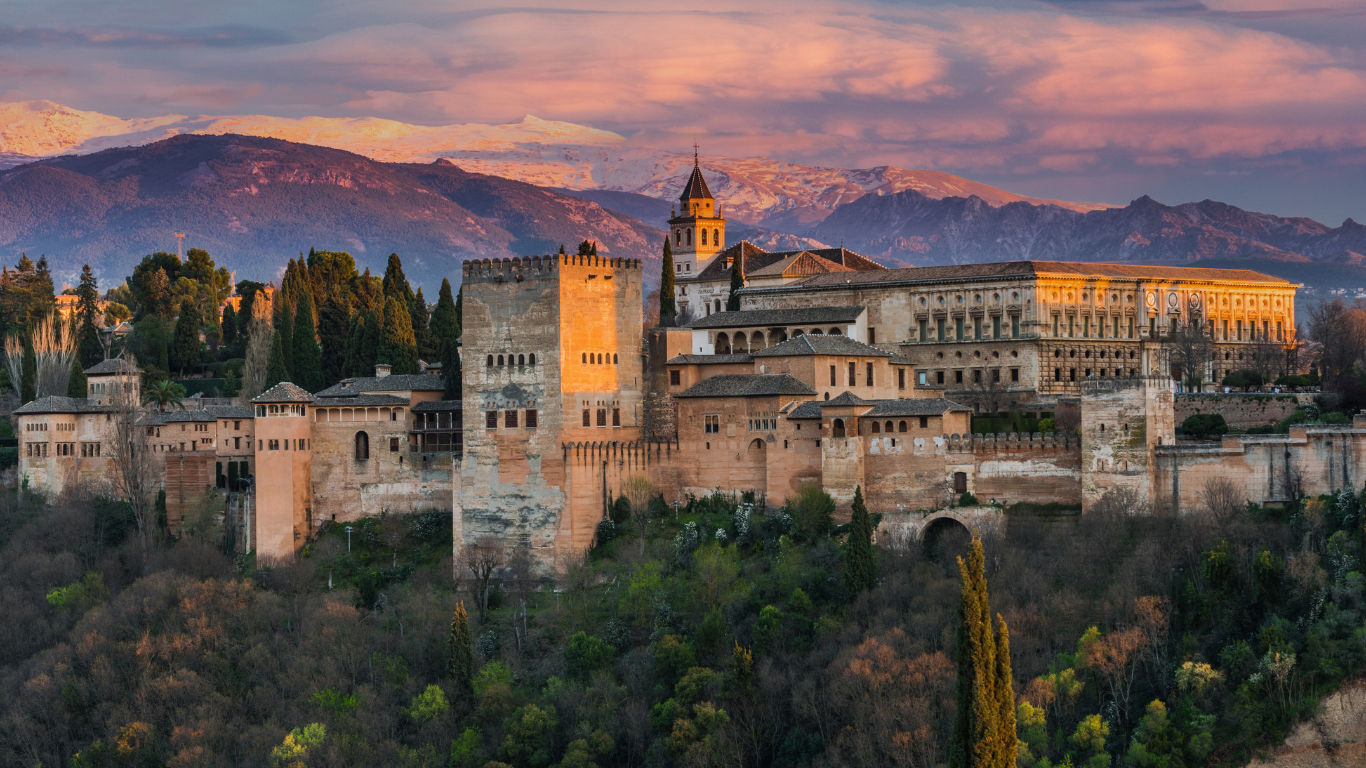
Alhambra, Granada
Every so often a trip stays with you in a way that others don't — where a place really got under your skin. And it's usually not the one where you saw the most. It's the one where you lingered a bit longer and took it all in.
I had a trip like that in university. I spent a semester in Siena studying Renaissance architecture in Tuscany — part of my Honours B.A. in Art History and Italian. I'd seen plenty of those buildings in lecture slides long before I set foot in them. But studying it on the ground was completely different. Over those weeks I was in Siena, Florence, Cortona, Todi, Montepulciano, Montalcino, Mantova, Vicenza, Venice — not ticking sights off a list, but understanding why these places looked the way they did, and what they were built to say. That's stayed with me in a way no other trip has.
That gap, between seeing a place and understanding it, is what most travel never gets to.
Visiting a place vs. understanding it
Most trips are built around seeing. You move through a destination collecting sights — the cathedral, the viewpoint, the dish you were encouraged to order — and you tick them off. It's not a bad way to travel. But somewhere in the rush to see everything, the place itself can stay at arm's length. You've been there. You're not sure you'd say you know it.
The industry doesn't help. So much of modern travel funnels everyone toward the same handful of spots, on the assumption that we're all after the same thing. You spend more time getting places than being in them, and afterward it blurs together.
Understanding a place is something different. It asks that you slow down, stay put a little longer, and let one thread — the food, the history, the architecture, the faith that shaped a city — pull you in deep enough that the rest of the place starts to make sense around it. That's not a longer checklist. It's a different experience.
What traveling to learn really looks like
To me, it looks like staying in one place long enough to notice things. Trading the breathless itinerary for a single subject explored thoroughly. Having someone local point you toward the corners you might not have found, and tell you why they matter.
The same goes for the people. Travelling alongside others who are curious about similar things changes the experience entirely — conversations over dinner, a drink after a long afternoon of exploring, an offhand remark that reframes everything you saw that day. You come back with a real grasp of one subject and one place, and the quiet satisfaction of having engaged with it rather than passed through.
In practice, it's less moving around, more staying put. A frame to look through instead of a list to get through.
A program that does this well: Elective Study Abroad
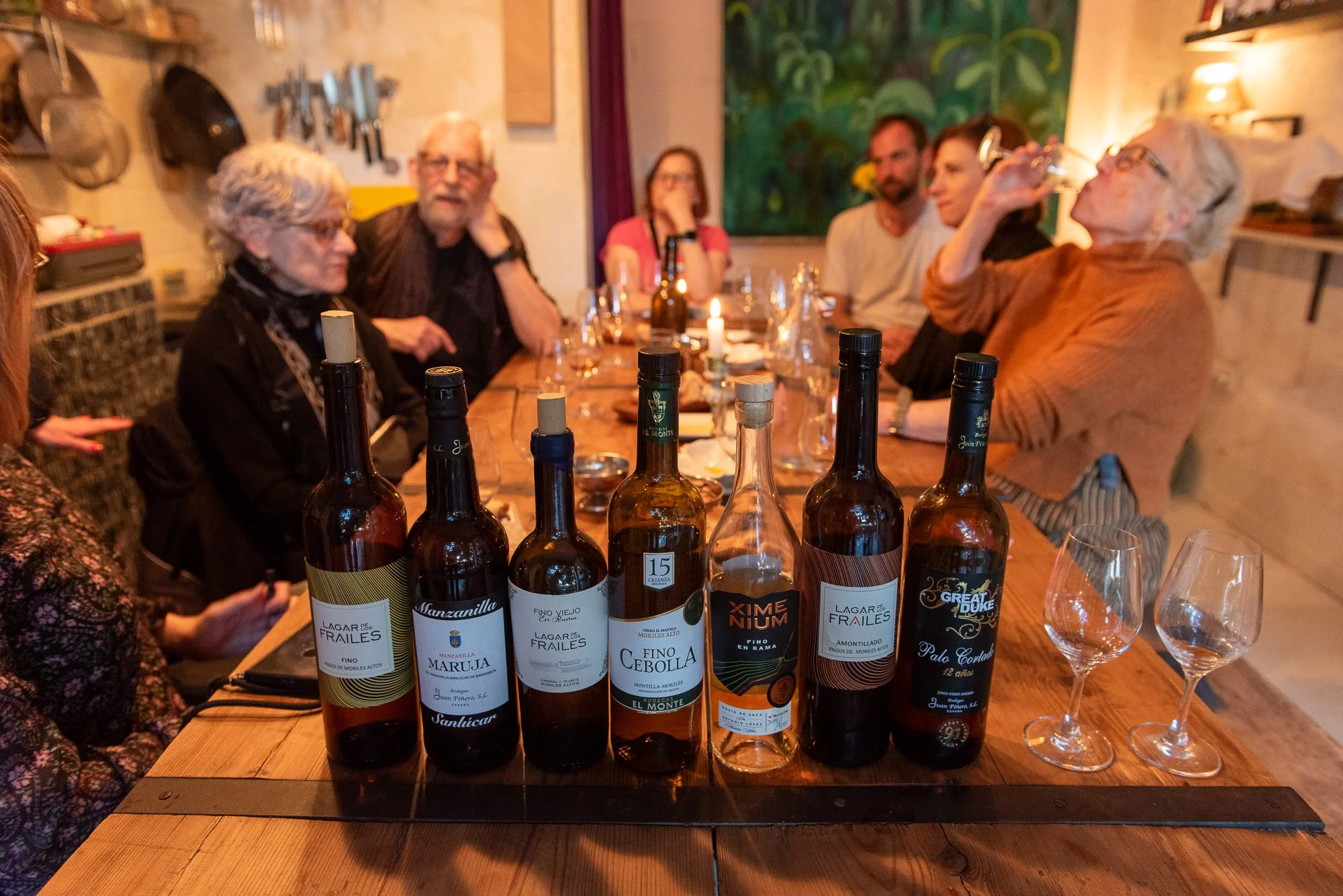
Image courtesy of Elective Study Abroad & Jason Gardner
It's rare to find this approach packaged into something you can just book, which is why I've been recommending Elective Study Abroad.
Elective is study abroad designed for adults — immersive, small-group courses led by local experts, each one built around a single subject in a place that brings it to life. The art and architecture of Andalucía. The evolution of a city like Palermo. World religions in Istanbul. Every destination becomes the lens through which you learn.
A few things make it work well:
One subject, explored in depth. Through field seminars, daily discussions, and plenty of self-guided time, each course stays focused on a single topic.
Local experts who actually live it. Instructors aren't just academics; they're connected to the community, which provides context you'd never get from a guidebook or a classroom back home.
A small, curious cohort. Capped at a handful of people, so the conversations are real and the connections tend to outlast the trip.
Four-star comfort, on your own terms. Comfortable hotels and logistics taken care of, with free time to follow your curiosity at your own pace.
It's the closest thing I've found to that Siena experience — the version where you don't just see a place, you really get to know it.
And if a course sparks the urge to make more of the trip — a few days in Rome before Sicily, time in the south of France around Montpellier — that's where I come in. I'm always happy to design an itinerary around an Elective course so it all flows as one trip.
Upcoming Courses
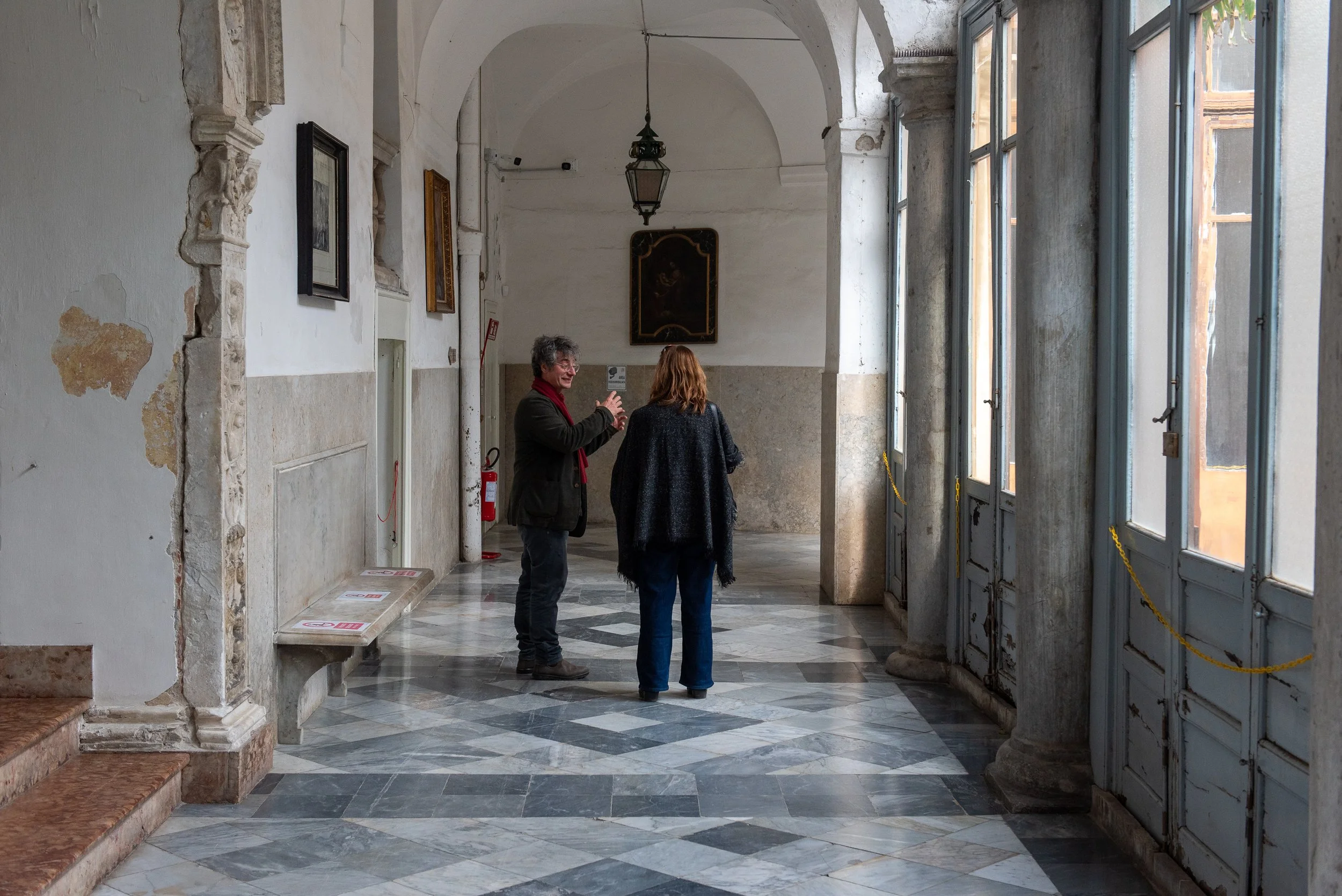
Image courtesy of Elective Study Abroad
Palermo & the Evolution of the City| October 4 – 11, 2026
Phoenicians, Greeks, Arabs, Normans, Spaniards — Palermo wears every empire that ever held it. A week spent tracing how the city's been built, broken, and rebuilt, and what that tells us about how all cities evolve.
World Religions in Istanbul| November 1 – 8, 2026
A city that's been a crossroads of Islam, Christianity, and Judaism for centuries. Inside the Hagia Sophia, the Blue Mosque, and the Neve Shalom Synagogue, you'll trace how three faiths met, merged, and clashed — in conversation with the scholars and religious leaders who live it today.
On the horizon:
Starting in 2027, new courses in Morocco, Scotland, Brittany, Copenhagen & Hamburg, and Slovenia. Join the waitlist for updates.
Interested in a course, or in building a trip around one?
Let’s talk! Fill out the inquiry form and I’ll be in touch to talk through the details.