

Featured Journeys
Some places change how you see the world, as long as you have time to take them in. These journeys were planned around the people taking them: the experiences they cared about, a few they hadn’t thought of, and plenty of room to wander in between. Every one started as a conversation. Yours can too.
Italy: Florence, Verona & Venice
Ideal for: Art and architecture lovers · Couples · Friends
When to go: Year-round · 10 nights
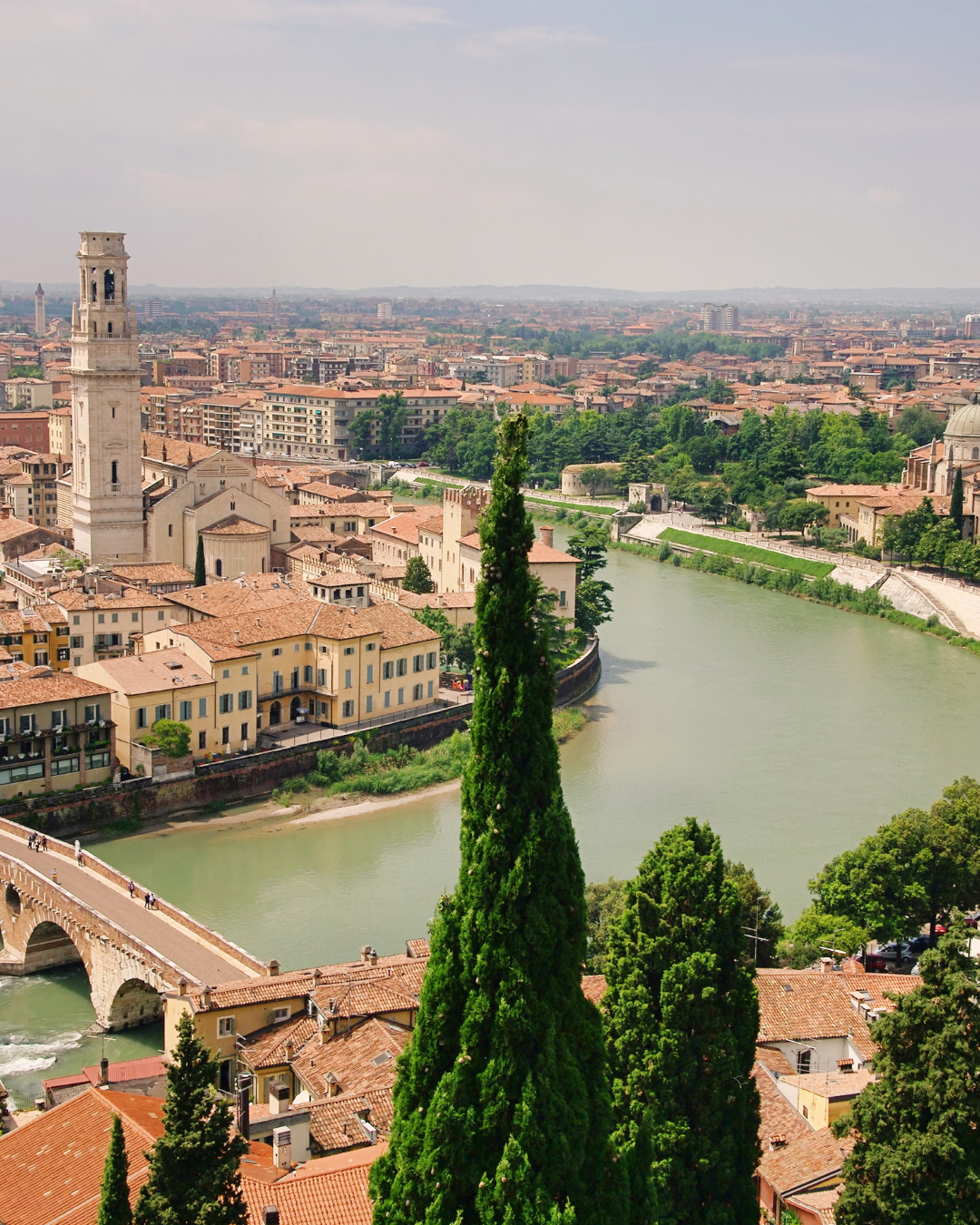
Florence and Venice are classics, so for a traveller who wanted more than the obvious, I suggested a base in the Oltrarno, across the river, with time to wander between the David at the Accademia and a day out to Siena, San Gimignano and Pisa. Verona came next, since smaller northern cities like it are calmer, easy to walk and simple to reach by train. In Venice, the focus was the Peggy Guggenheim Collection and Museo Fortuny, the former home and studio of the designer Mariano Fortuny, along with a small-group trip by private boat out to Murano and Burano.
Florence (4 nights) → Verona (3) → Venice (3)
Experiences I’d recommend:
Oltrarno artisan workshops: a tour of private workshops where master craftspeople still work by methods passed down for generations
Valpolicella wine tasting: a half-day in the hills north of Verona, with a sommelier-led tasting at a private winery and the story behind Amarone
Cannaregio walk: a quieter corner of Venice, with artists’ studios, artisan shops and churches holding works by Tintoretto
Where I’d stay:
FLORENCE
Riva Lofts*: ten suites in former artisans’ workshops on the Arno, with a sandstone pool in a courtyard garden, a quiet retreat from the city
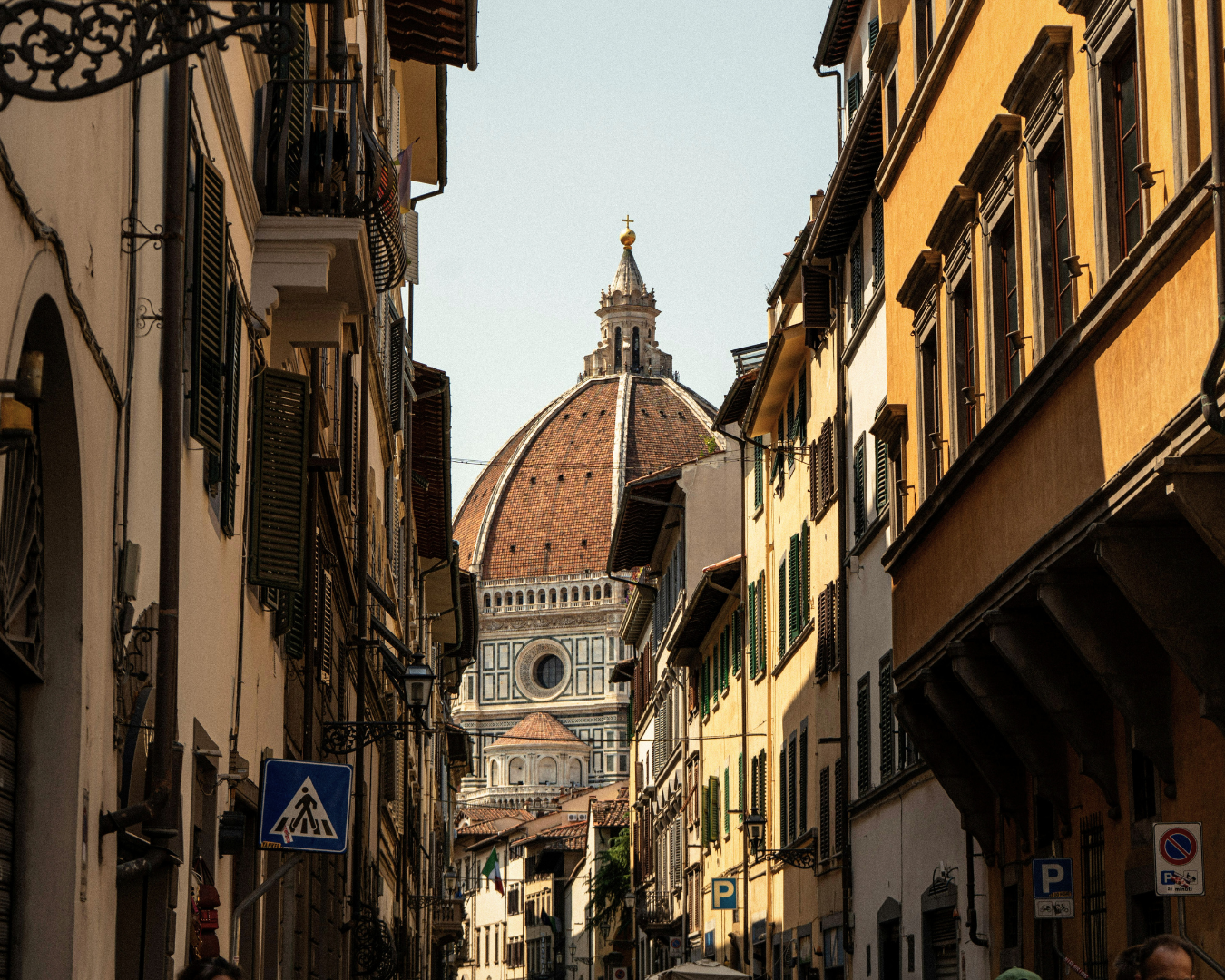
Hotel La Gemma*: right in the centre, in a 19th-century palazzo with Art Deco–inspired interiors in colours taken from the Duomo, and a rooftop with views of it
VERONA
Due Torri Hotel*: a 14th-century palazzo beside the church of Sant’Anastasia that has hosted guests from Mozart to Napoleon III, with a rooftop terrace over the old town
Vista Verona*: sixteen suites in a 19th-century palace by the Roman Porta Leoni, with a rooftop infinity bar and a spa with the city’s only hotel pool
VENICE
Il Palazzo Experimental*: a historic palazzo on the Zattere in Dorsoduro, redesigned with Venetian terrazzo and marble in bold contemporary colours, with a private garden and a cocktail club
Hotel Cipriani, A Belmond Hotel*: Venice’s most storied hotel, on the tip of Giudecca, with gardens, the city’s only Olympic-sized pool, a private launch across the lagoon, and the bar where the Bellini was invented
*Partner hotels, where my clients receive added perks.
South Africa: Cape Town, the Winelands & Kruger
Ideal for: Honeymoons · Once-in-a-lifetime trips · Wildlife and wine lovers
When to go: Year-round · 10 nights
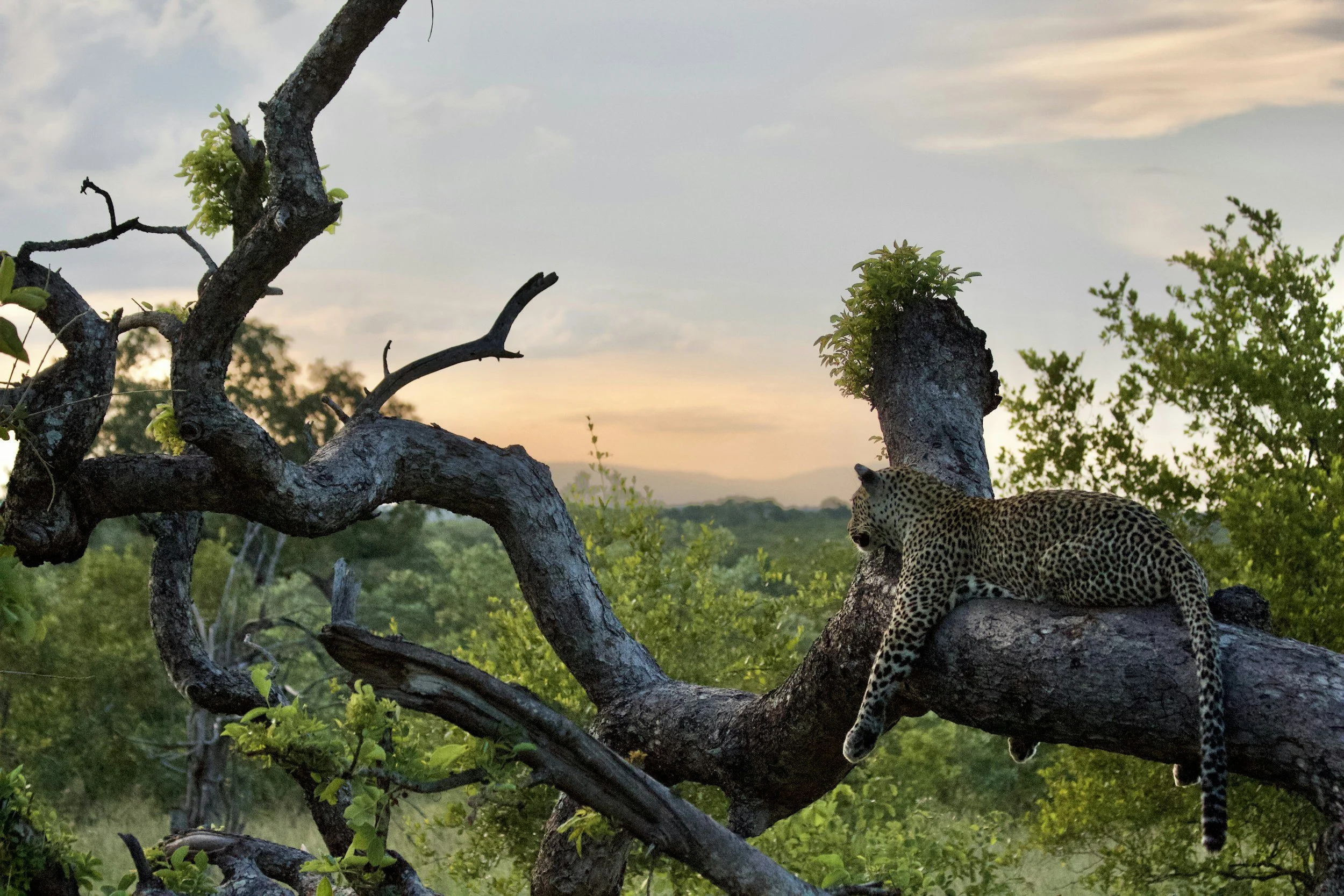
This couple came to me with one word: Africa. They wanted a honeymoon with plenty of variety, and they love wine, so I suggested South Africa, where Cape Town, the Winelands and safari fit together easily, with two lodges rather than one for different safari experiences. There was a day out on the Cape Peninsula, a stay on a working wine farm, and five nights on safari to finish, first on the Sabie River, then on the Timbavati River.
Cape Town (3 nights) → Winelands (2) → Southern Kruger (3) → Timbavati (2)
Experiences I’d recommend:
Bo-Kaap walk: a tour of Cape Town’s historic Cape Malay quarter with local residents, through cobbled streets of brightly painted houses, past mosques and Malay kitchens
Franschhoek sip and cycle: a half-day by bike between wine farms at an easy pace, with tastings at two estates and wine paired with chocolate or biltong
Where I’d stay:
CAPE TOWN
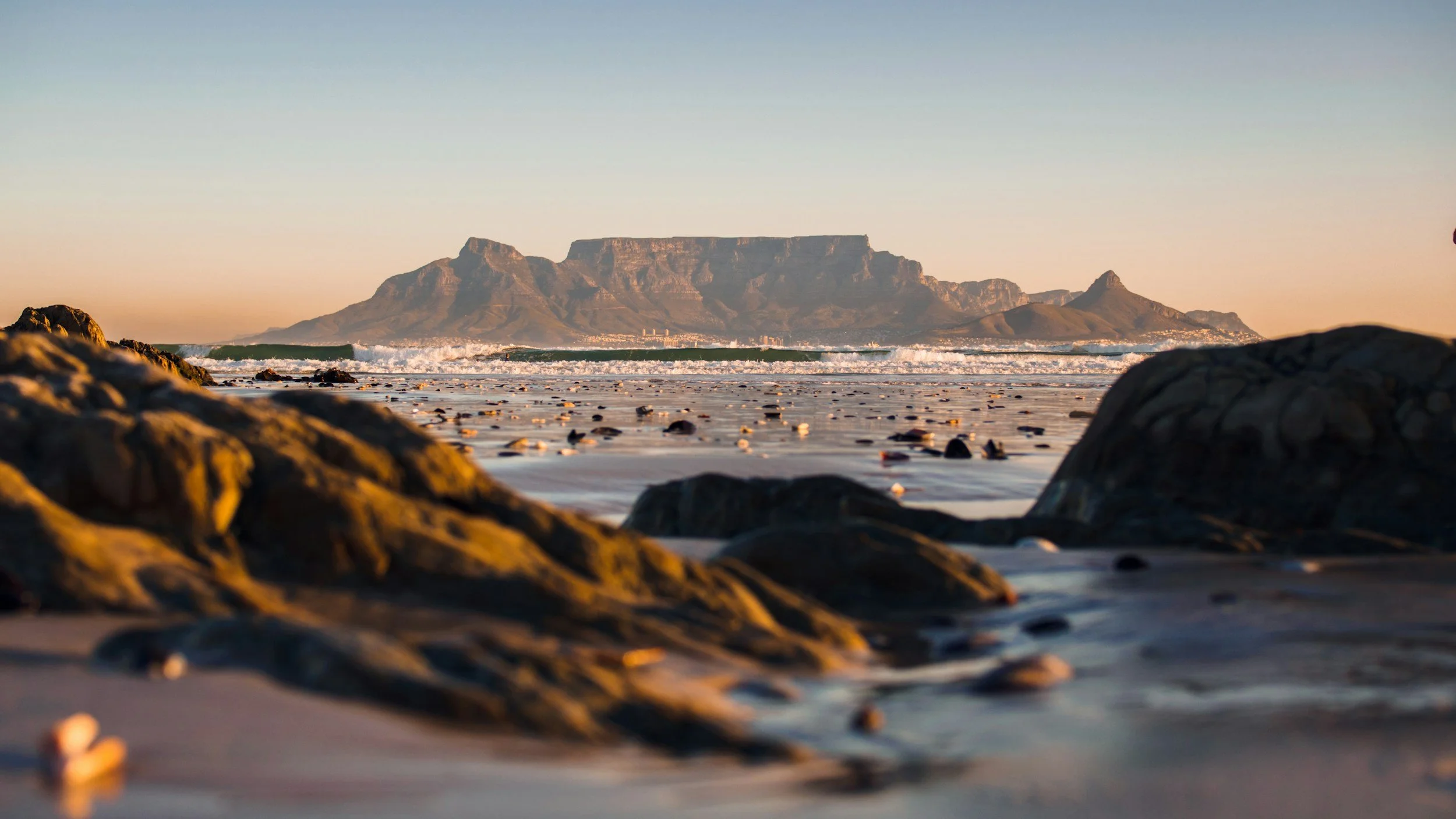
Mount Nelson, A Belmond Hotel*: a historic hotel on the lower slopes of Table Mountain, with two heated pools, a spa and afternoon tea
WINELANDS
Babylonstoren: a working wine farm surrounded by mountains, with a fruit and vegetable garden at its heart, cellar tours and tastings, a spa, and its restaurant, Babel
Akademie Street: a small hotel with a Michelin Key, a short walk from Franschhoek’s main street, with suites and private cottages, one dating to around 1860, and a heated pool in the central courtyard. Clients I’ve sent there loved it.
SOUTHERN KRUGER
Lion Sands Tinga Lodge*: nine suites on the banks of the Sabie River, each with a wooden deck and private plunge pool looking onto the water, and a tree house for a night under the stars
TIMBAVATI
Ngala Tented Camp*: canvas-domed tents on raised platforms along the Timbavati riverbed, each with a deep bath and an outdoor shower, plus a lap pool and patios facing the river
*Partner hotels, where my clients receive added perks.
Morocco: Casablanca, Fes, the Sahara, Marrakech & Essaouira
Ideal for: Solo travellers · Adventurous travellers · Milestone celebrations
When to go: Autumn through spring · 16 nights
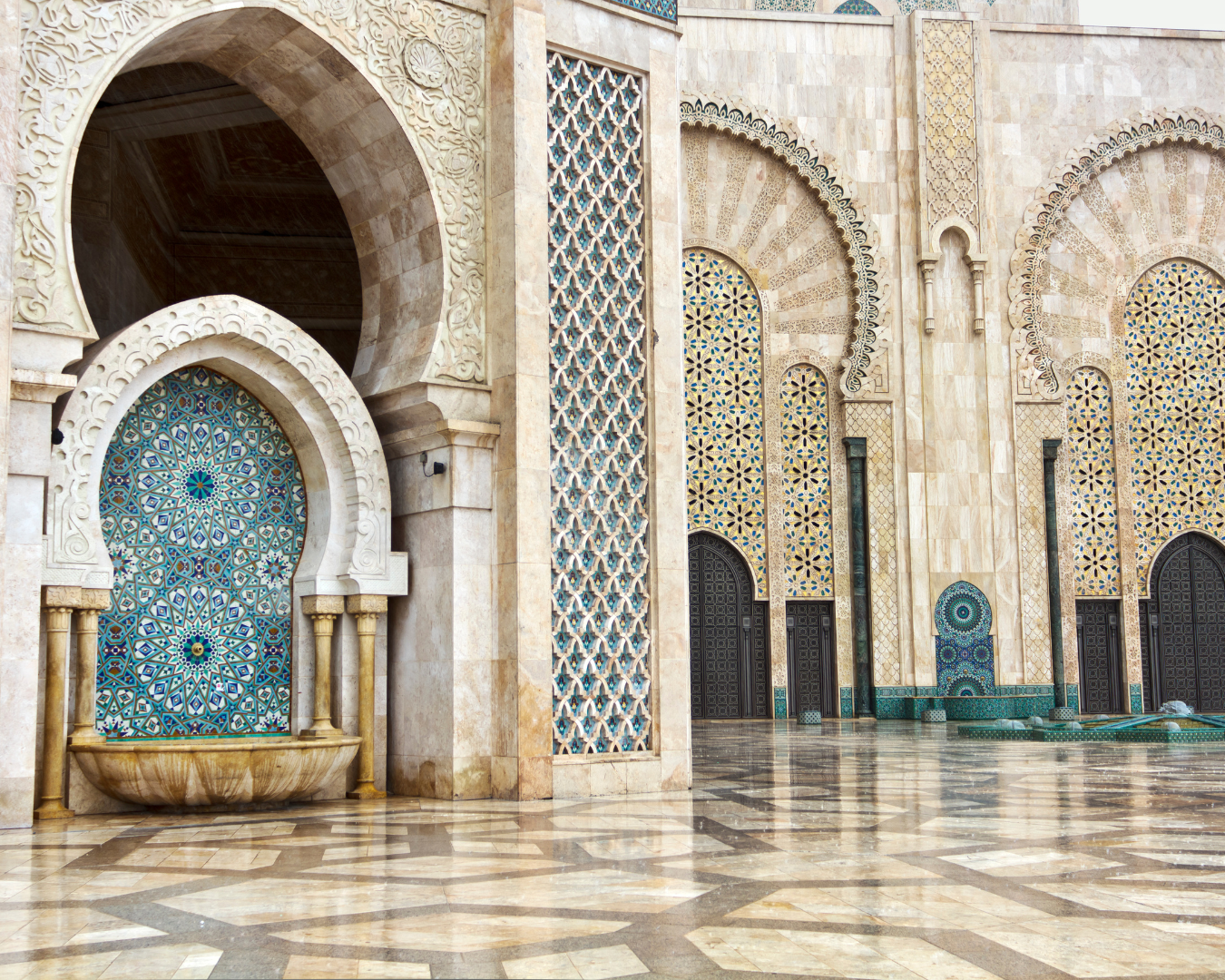
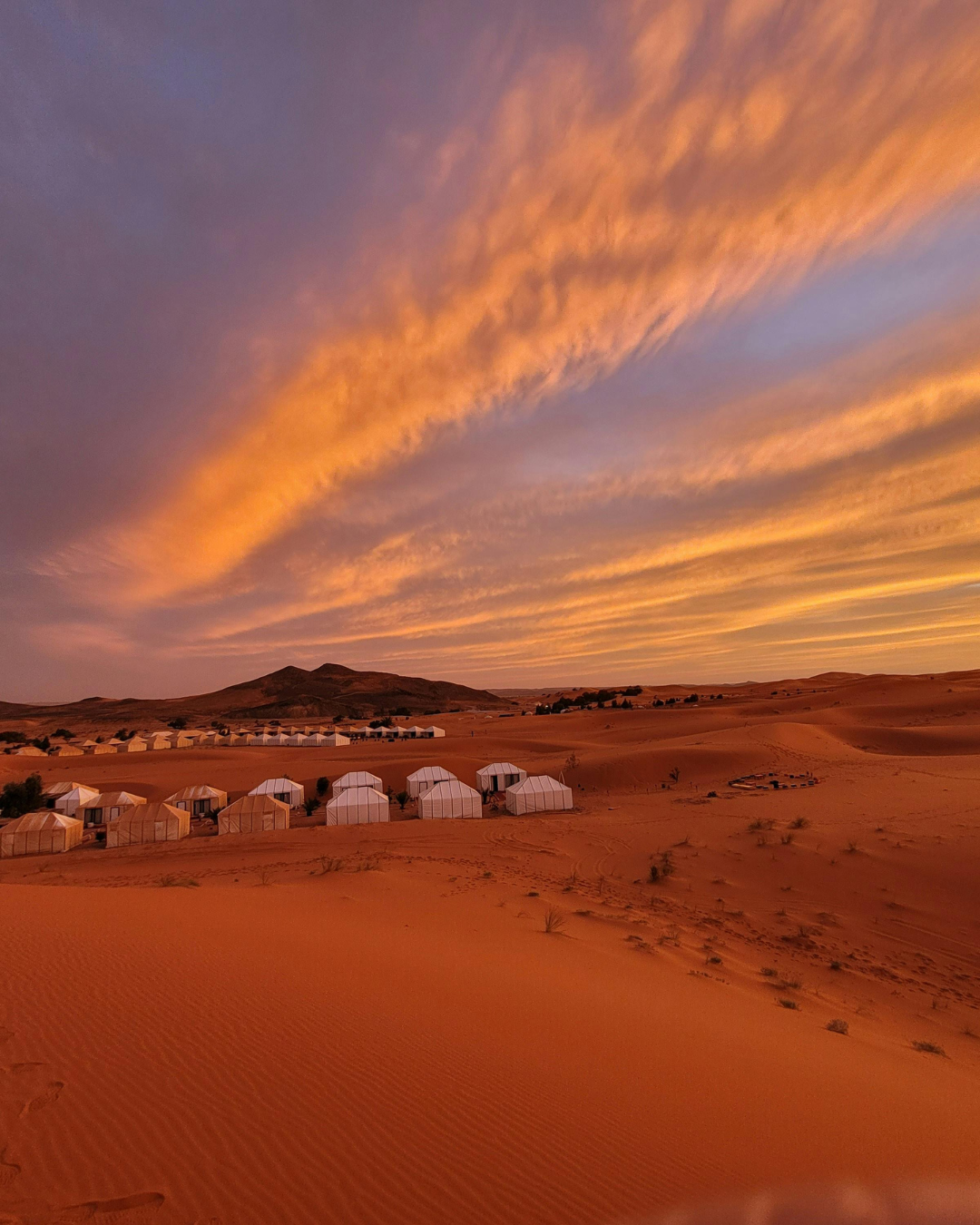
For a milestone birthday, this client was after a longer trip with a bit of everything. She wanted plenty of time for stargazing, so we built in two nights in the Sahara. After hearing about my favourite hotel in the entire world, Eden Boutique Hotel in the Dades Valley, she asked for two nights there as well. It’s in such high demand that I planned the route around its availability. Along the way, there was a hammam and a rooftop mint tea over the medina in Fes, and a day by 4x4 through the black desert to visit a nomad family. To finish by the sea, I suggested Essaouira, on Morocco’s Atlantic coast.
Casablanca (2 nights) → Fes (2) → Merzouga (2) → Dades Valley (2) → Ouarzazate (1) → Marrakech (3) → Essaouira (2) → Marrakech (1) → Casablanca (1)
Experiences I’d recommend:
Tagine cooking class: a hands-on class in Fes or Marrakech, learning to make Morocco’s best-known dish
Gnawa music in Khamlia: lunch in a village near the dunes, where the local community plays Gnawa music, a tradition rooted south of the Sahara
Sunrise hot air balloon ride: a flight over the countryside outside Marrakech as the sun comes up behind the Atlas Mountains
Carpet weaving workshop: a hands-on session in Marrakech, at the loom with local weavers
Where I’d stay:
FES
Riad Fes*: in the heart of the medina, mixing Hispano-Moorish and contemporary style around tiled patios, with a year-round pool and a rooftop terrace looking over the medina to the Atlas Mountains
Hotel Sahrai*: on a hill just outside the medina, with interiors by French designer Christophe Pillet, a Givenchy spa with a traditional hammam, and an infinity pool overlooking the old city
DADES VALLEY
Eden Boutique Hotel: family-owned and set in terraced gardens, with mountain views from the pool and rooftop bar, rooms with fireplaces and private terraces, and a traditional hammam
MARRAKECH
Riad No. 37*: just eight rooms in the medina near Bab Doukkala, a traditional riad with Scandinavian touches, a rooftop pool looking toward the Koutoubia, and a plunge pool among orange and olive trees
La Villa des Orangers*: steps from the Koutoubia, a former private residence with flower-filled courtyards and citrus gardens, two heated pools and a large hammam
ESSAOUIRA
Heure Bleue Palais: a 19th-century riad built into the medina walls, with suites around a planted courtyard and a heated rooftop pool overlooking the town and the ocean
Le Jardin des Douars: on the edge of Essaouira, a cluster of red Moorish buildings in a hectare of gardens with argan and olive trees, with two pools, a spa and a hammam
*Partner hotels, where my clients receive added perks.
Portugal: Porto, the Douro Valley, Lisbon, Alentejo & Comporta
Ideal for: Couples · Wine lovers · Slow, scenic travel
When to go: Year-round · 14 nights
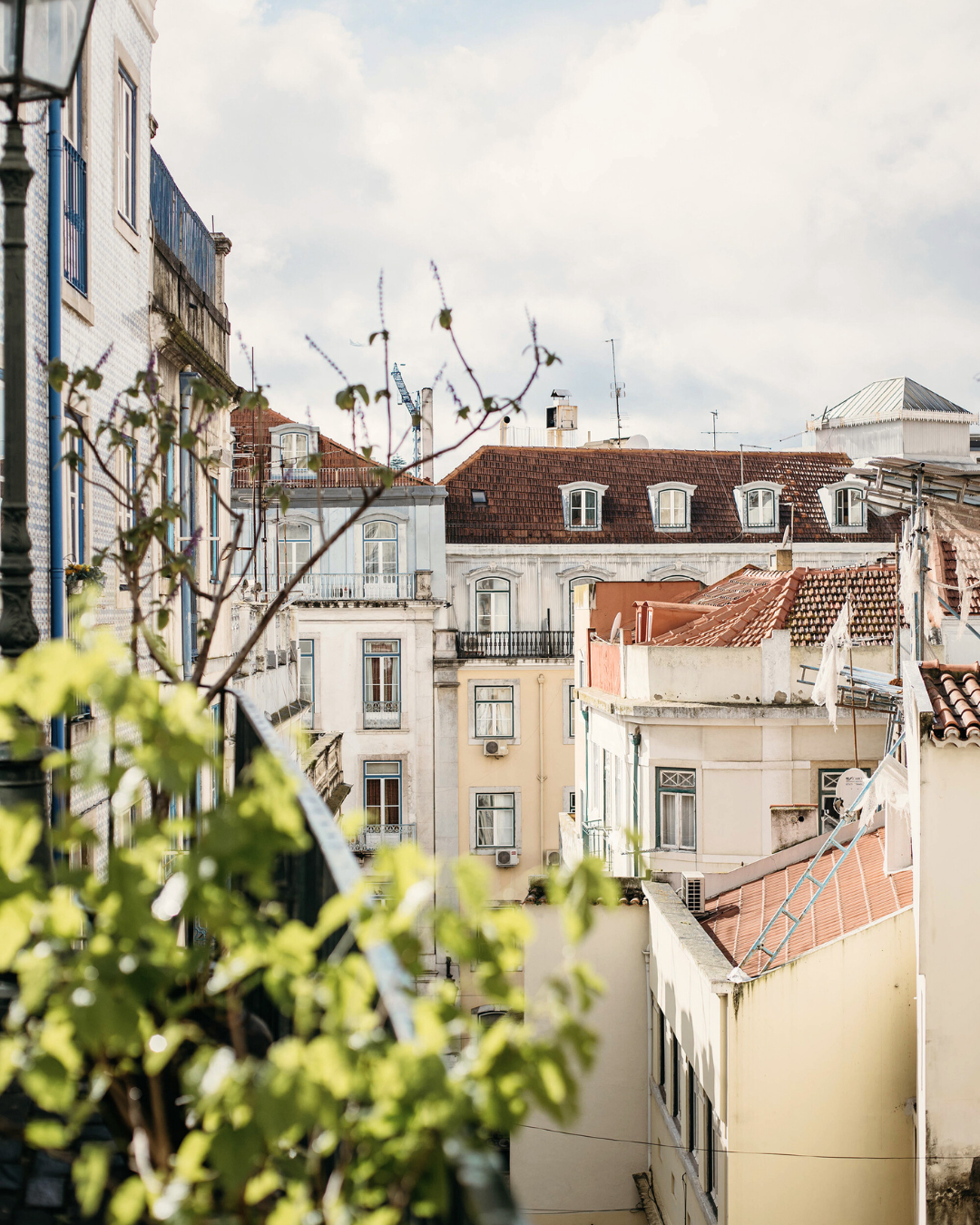
Wine was the starting point for this couple. They wanted wineries in both the Douro and the Alentejo, then the beaches of Comporta to finish, so I built the route around the wineries. Lisbon got three nights, enough for food tours, a street art walking tour and time to explore on their own without rushing. In Comporta, the trip ended with a horseback ride along the beach.
Porto (3 nights) → Douro Valley (3) → Lisbon (3) → Alentejo (2) → Comporta (3)
Experiences I’d recommend:
Porto wine tasting: three hours with a wine producer or chef, tasting port, Vinho Verde and lesser-known Portuguese wines at local wine bars
Alfama walk: Lisbon’s oldest quarter with an expert, tracing its Moorish roots and the working-class stories behind fado
Where I’d stay:
PORTO
The Rebello Hotel & Spa*: in former stone factory buildings with views of the Douro and Porto’s historic centre, a short walk from the historic port houses, with a spa inspired by ancient Roman baths
DOURO VALLEY
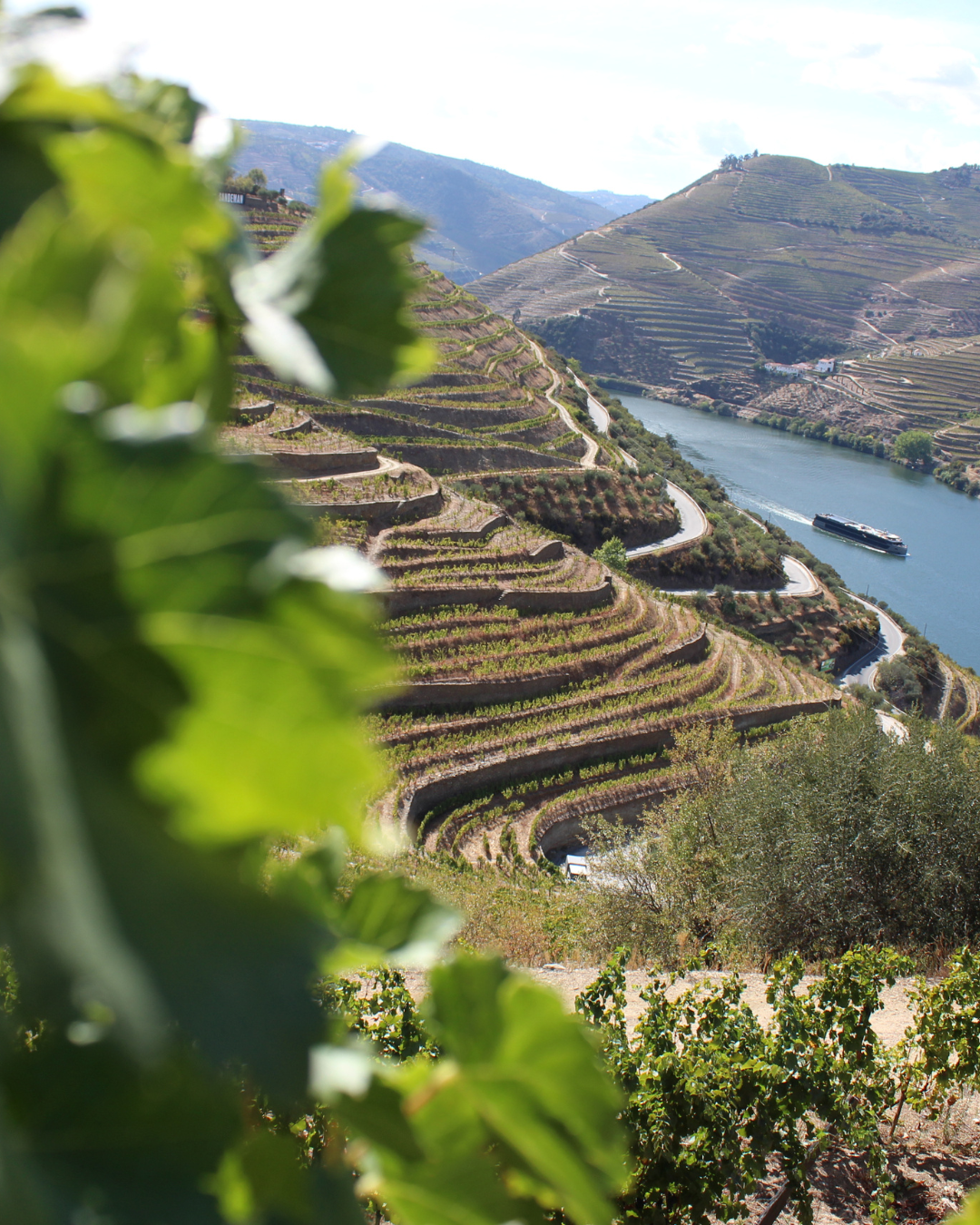
Octant Douro*: built in tiers that echo the valley’s terraced vineyards, with river views and a wine list focused on Douro producers. Clients I’ve sent there loved it.
LISBON
AlmaLusa Alfama*: in a restored 12th-century building at the edge of Alfama, the city’s artsy old quarter, steps from the cathedral and the river, with nearly every detail in the rooms made in Portugal. A favourite with clients I’ve sent there.
The Lumiares*: a renovated 18th-century palace in Bairro Alto with apartment-style suites and Portuguese tilework, plus a rooftop restaurant and bar looking out to the river and São Jorge Castle
ALENTEJO
Herdade da Malhadinha Nova*: a working wine estate surrounded by its own vineyards, with a farm-to-table restaurant awarded a Michelin Green Star, using organic produce from the estate
COMPORTA
Sublime Comporta*: rooms and cabanas spread across an estate of umbrella pines and cork trees, each with a private terrace, a few minutes from the beaches, with a restaurant built around the hotel’s organic garden and the local catch
Spatia Comporta*: low-slung and set deep in the pine forest, with interiors in local timber, cork and ceramics that draw on the dunes and rice fields, and villas with private pools
*Partner hotels, where my clients receive added perks.
Italy: Rome, Florence & the Hill Towns of Val d’Orcia
Ideal for: Friends · Couples · First-time visitors to Italy
When to go: Year-round · 10 nights
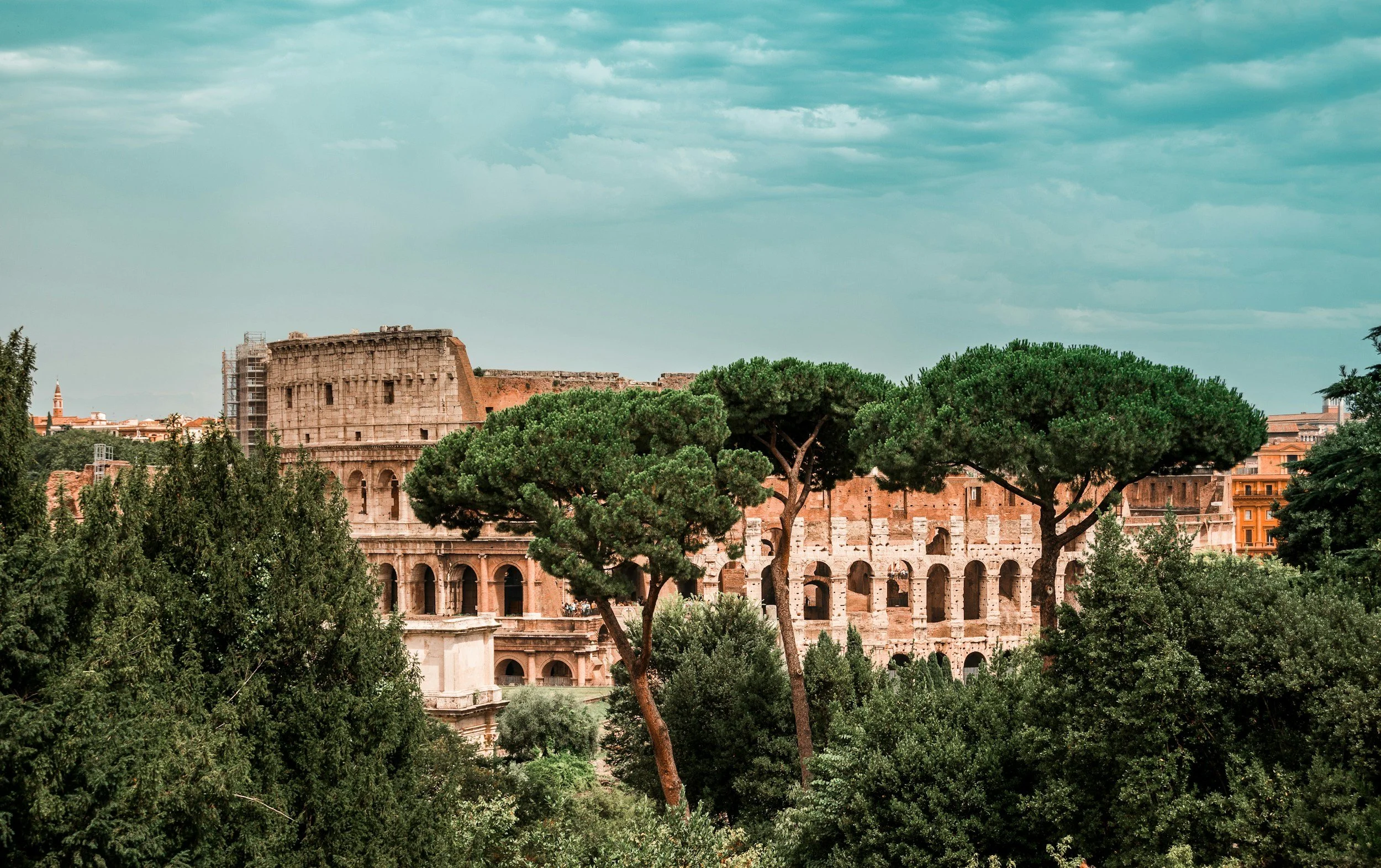
Two friends were travelling to Italy, one to attend a week-long course in Rome, the other tagging along to her favourite destination. The friend taking the course had never been to Italy, so when I asked where else she wanted to go, she chose Florence. In Rome, I found them a flat in Monti, my favourite neighbourhood in the city, and an easy walk to her classes. They both love wine, so alongside the Colosseum, there was a food tour and wine tasting night in Trastevere, and from Florence, a day out to the hill towns of Montalcino, Pienza and Montepulciano. While she was in class, I arranged day trips for her friend, including Pompeii and Positano. Evenings in both cities were for dinner together and Negronis on rooftop terraces, which felt especially right in Florence, where the Negroni was born.
Rome (7 nights) → Florence (3)
Experiences I’d recommend:
Underground Rome: with an archaeologist or historian, down through the layers of San Clemente, from a medieval church to an ancient temple and Roman buildings below, then into the frescoed rooms of the Case Romane del Celio
Florence gardens: the Boboli Gardens, then a private visit to Giardino Torrigiani, with refreshments and stories from one of the estate’s owners
Where I’d stay:
ROME
Casa Monti*: on a cobblestone street in Monti, designed by Parisian designer Laura Gonzalez as an artist’s home, with a courtyard trattoria, a rooftop bar with city views, and a spa styled after an ancient Roman bath
Palazzo Talìa*: a 16th-century palace near the Trevi Fountain that later became Rome’s oldest school, with common areas designed by Luca Guadagnino’s studio and a corridor lined with Roman-era marble busts
FLORENCE
Ottantotto Firenze*: just seven rooms in a Renaissance palazzetto in the Oltrarno, once an aristocratic home, with playful interiors and an inner garden where breakfast is served
Hotel Lungarno*: on the Arno steps from the Ponte Vecchio, with many rooms overlooking the river, a collection of 20th-century art that includes Picasso and Cocteau, and rooms in a 13th-century tower
*Partner hotels, where my clients receive added perks.
Croatia: Dubrovnik, Hvar & Split
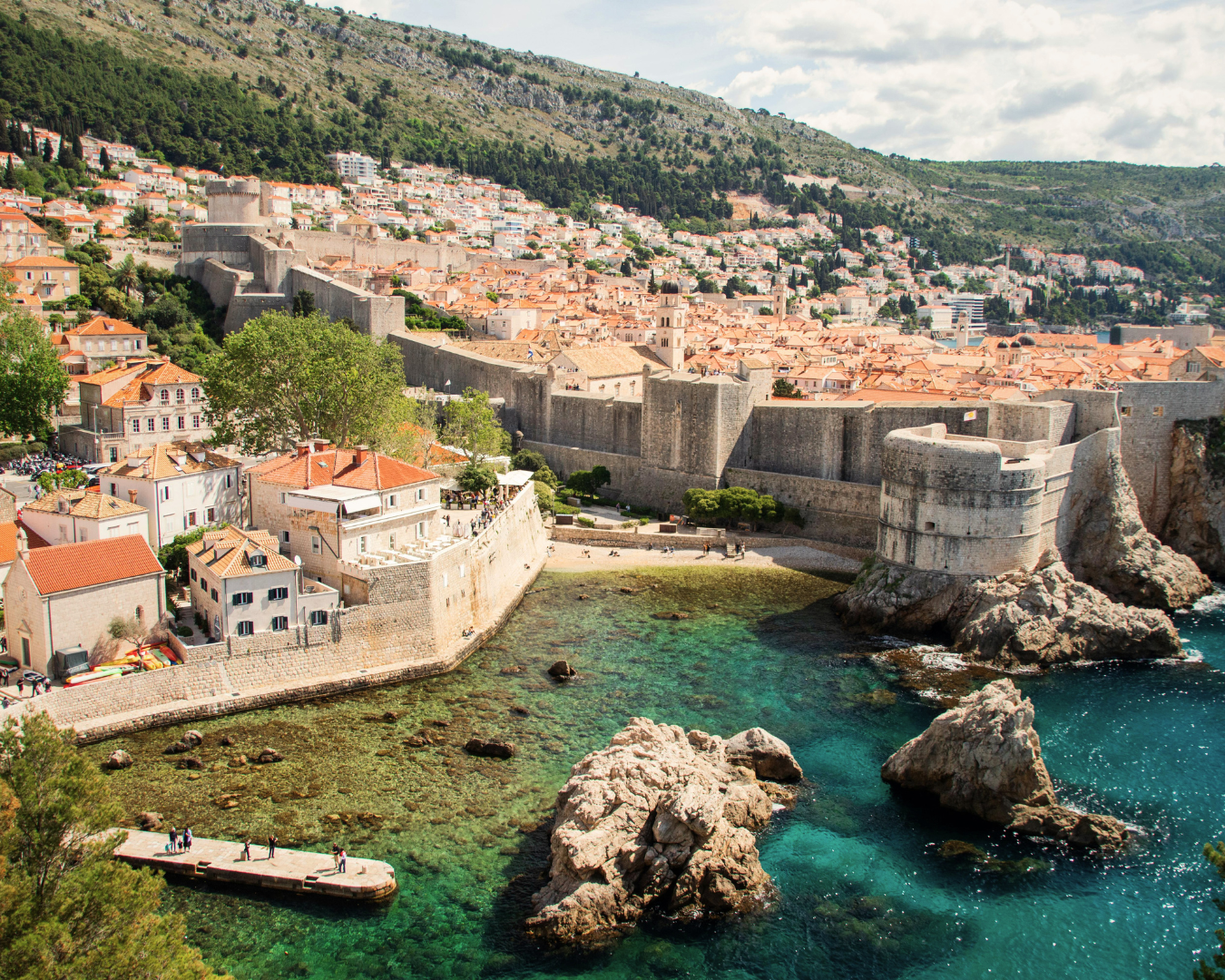
This young, active couple wanted their honeymoon on the Dalmatian coast to include time on the water and a bit of adventure. I arranged privately guided experiences throughout, and for the adventure, I suggested kayaking around Dubrovnik’s city walls to a small cave beach just beyond them, an off-road buggy ride up Mount Srđ and a private boat out to the Pakleni Islands. To balance those, there were slower days too: a peka cooking lesson with a family in the Konavle countryside, a walk through olive groves on Hvar to lunch in the abandoned village of Malo Grablje, and a day at the waterfalls of Krka from Split.
Dubrovnik (4 nights) → Hvar (3) → Split (3)
Experiences I’d recommend:
Korčula and Ston: a day with a historian, by boat to Korčula, said to be Marco Polo’s birthplace, then walking a section of Ston’s 16th-century walls and finishing with local oysters and mussels
Stari Grad Plain wine tasting: a private tasting of Hvar wines among vineyards laid out by Greek settlers in the 4th century BC and still farmed today
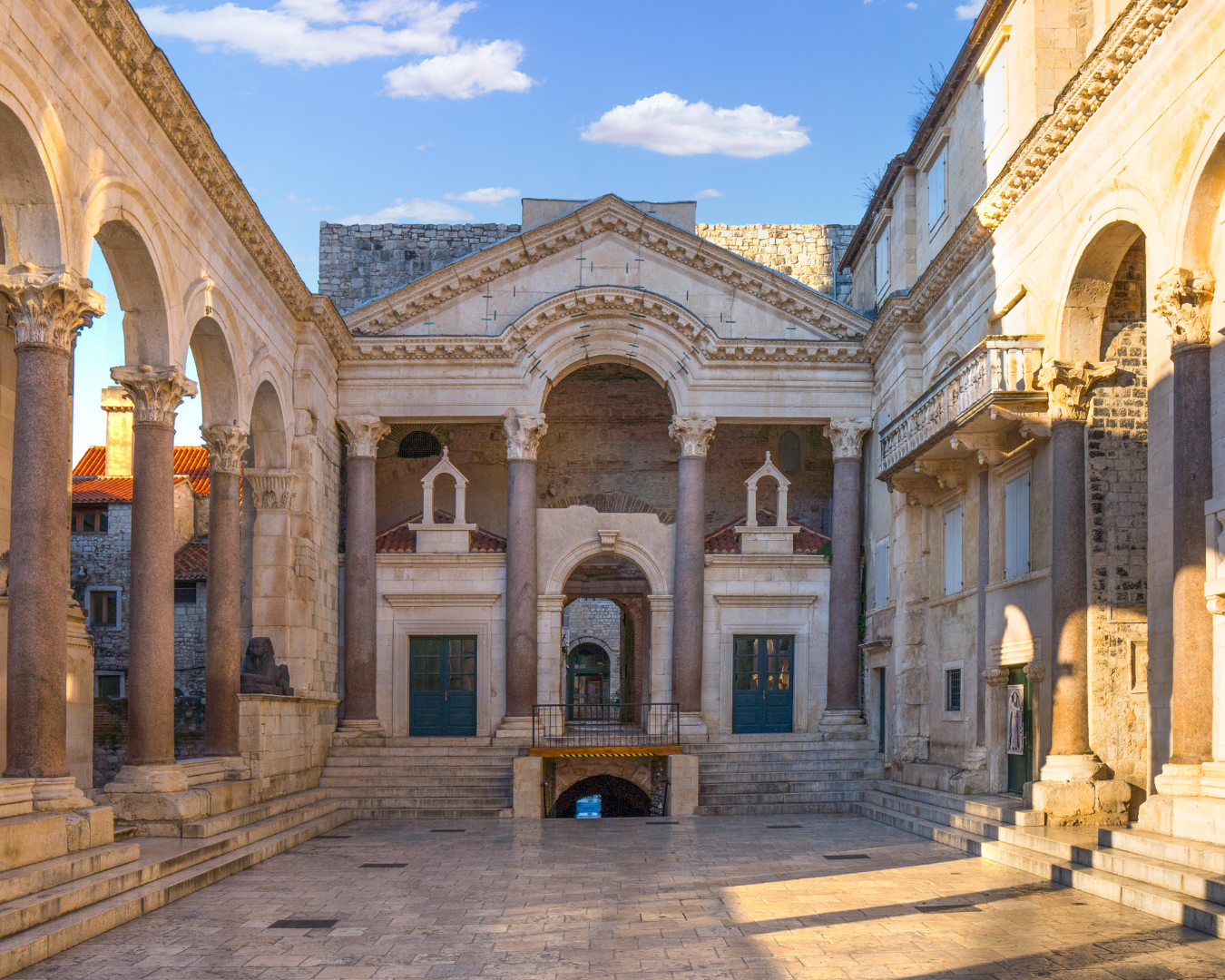
Roman Dalmatia: with a historian, from the ruins of Salona to the Renaissance town of Trogir and Diocletian’s Palace in Split
Ideal for: Honeymoons · Active couples · Coast and island lovers
When to go: May to June, or September to early October · 10 nights
Where I’d stay:
DUBROVNIK
Hotel Dubrovnik Palace*: on the water between the sea and a pine forest, a short drive from the Old Town, with views of the Elafiti Islands and a sea view from every room
Villa Dubrovnik*: terraced down the rocks a short boat ride from the Old Town, with every room facing the sea and the city walls, a private stretch of beach, and indoor and outdoor pools
HVAR
Maslina Resort*: set among pines on Hvar’s north coast, a short walk from the historic town of Stari Grad, with sea-view suites and villas, many with private plunge pools, a private rocky beach and a spa
SPLIT
Boutique Hotel Venturo*: an adults-only hotel of 24 rooms by Bačvice Beach, a ten-minute walk from Diocletian’s Palace, with interiors in Adriatic blues and sandy tones and a rooftop pool terrace
*Partner hotels, where my clients receive added perks.