
Planning Your African Safari
Where To Go And When
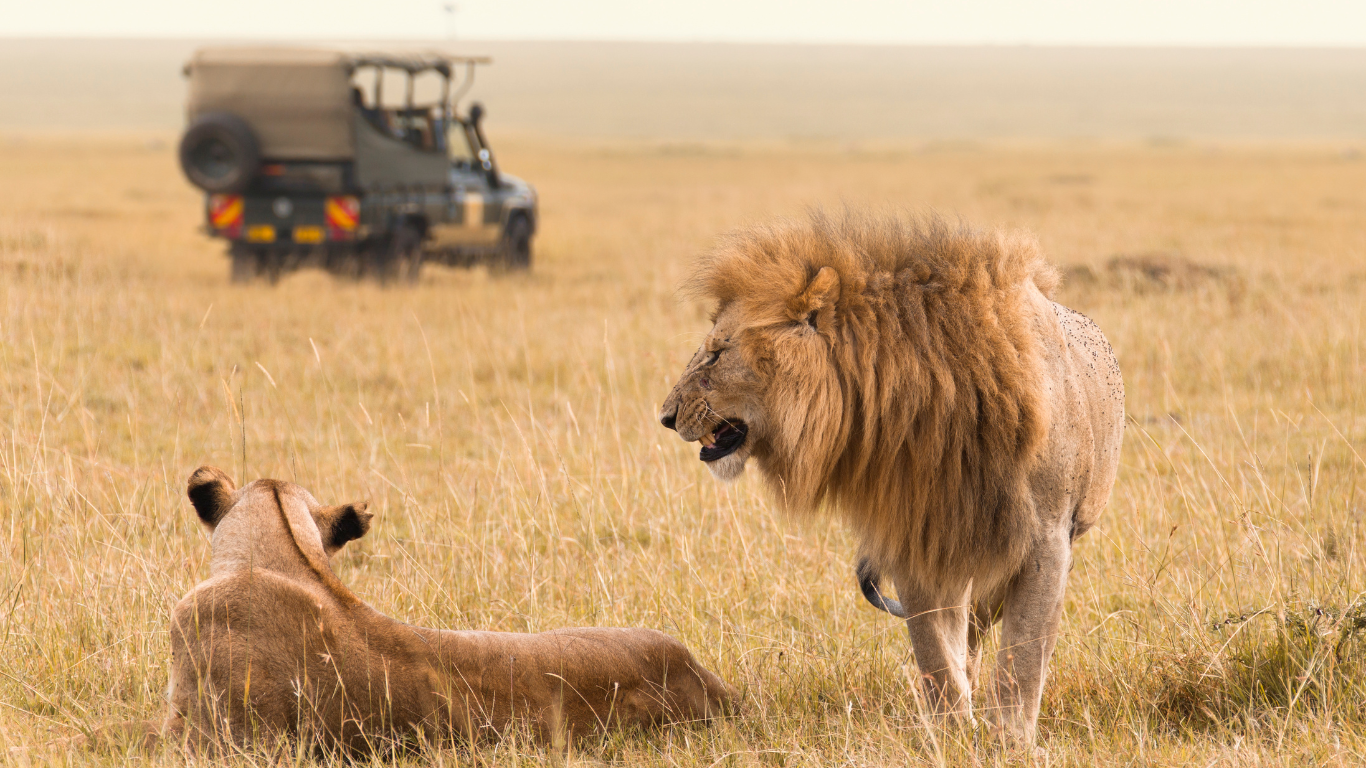
You’ve been dreaming about it for years—waking up to lions roaring in the distance, watching elephants gather at a watering hole, maybe even locking eyes with a leopard lounging in an acacia tree. An African safari is one of those bucket-list experiences that lives up to the hype, but here’s the thing: timing and location matter more than you might think.
The dry season in Botswana offers something completely different than the wet season in Tanzania. Gorilla trekking in Rwanda has its own rhythm. And if you’re hoping to witness the Great Migration, well, you’ll need to be strategic about both where and when you go.
This isn’t a trip you want to leave to chance. So let’s talk about how to plan a safari that actually matches what you’re hoping to experience.
Why Timing Matters More Than You Think
Unlike a beach vacation where you can pick almost any week of the year, safari planning is all about understanding seasonal patterns. Weather, animal migration, vegetation density—they all shift throughout the year, and each season offers its own advantages.
The dry season (roughly May to October across much of Southern and East Africa) tends to be the most popular. Water sources shrink, forcing wildlife to congregate around rivers and waterholes. Vegetation thins out, making animals easier to spot. It’s peak game-viewing time, but it’s also peak tourist season.
The wet season (November to April in many regions) brings lush landscapes, newborn animals, incredible birdlife, and fewer crowds. Sure, some roads might be trickier to navigate, and you might need to work a bit harder to spot that leopard in the dense greenery—but the rewards can be extraordinary.
Safari Seasons: What to Expect Throughout the Year
Here’s a quick snapshot of what’s happening across Africa’s safari destinations month by month:
January–February: Calving Season
The Serengeti’s southern plains come alive with hundreds of thousands of wildebeest giving birth. It’s one of nature’s most intense spectacles—newborns everywhere, which means predators are everywhere too. Botswana’s Makgadikgadi Pans fill with water, drawing massive zebra herds and flamingo colonies.
March–April: Green Season
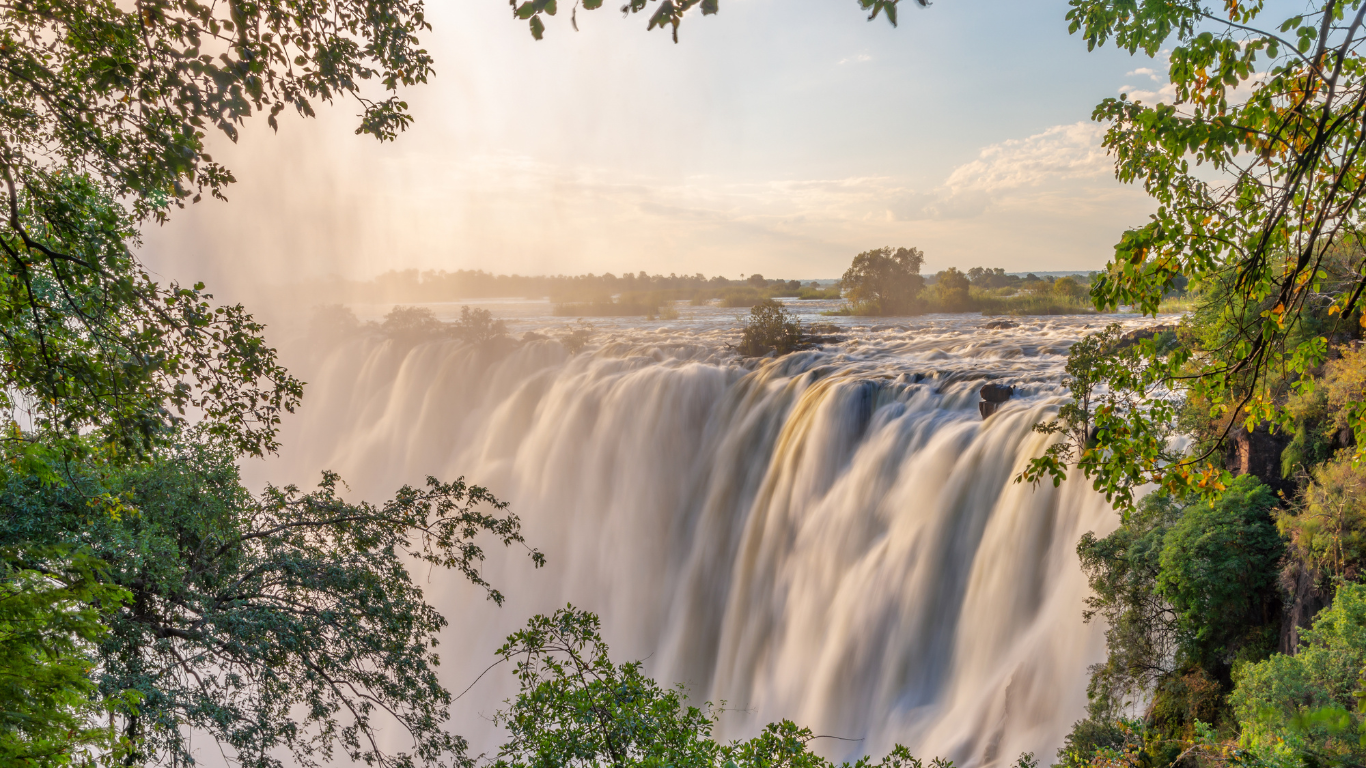
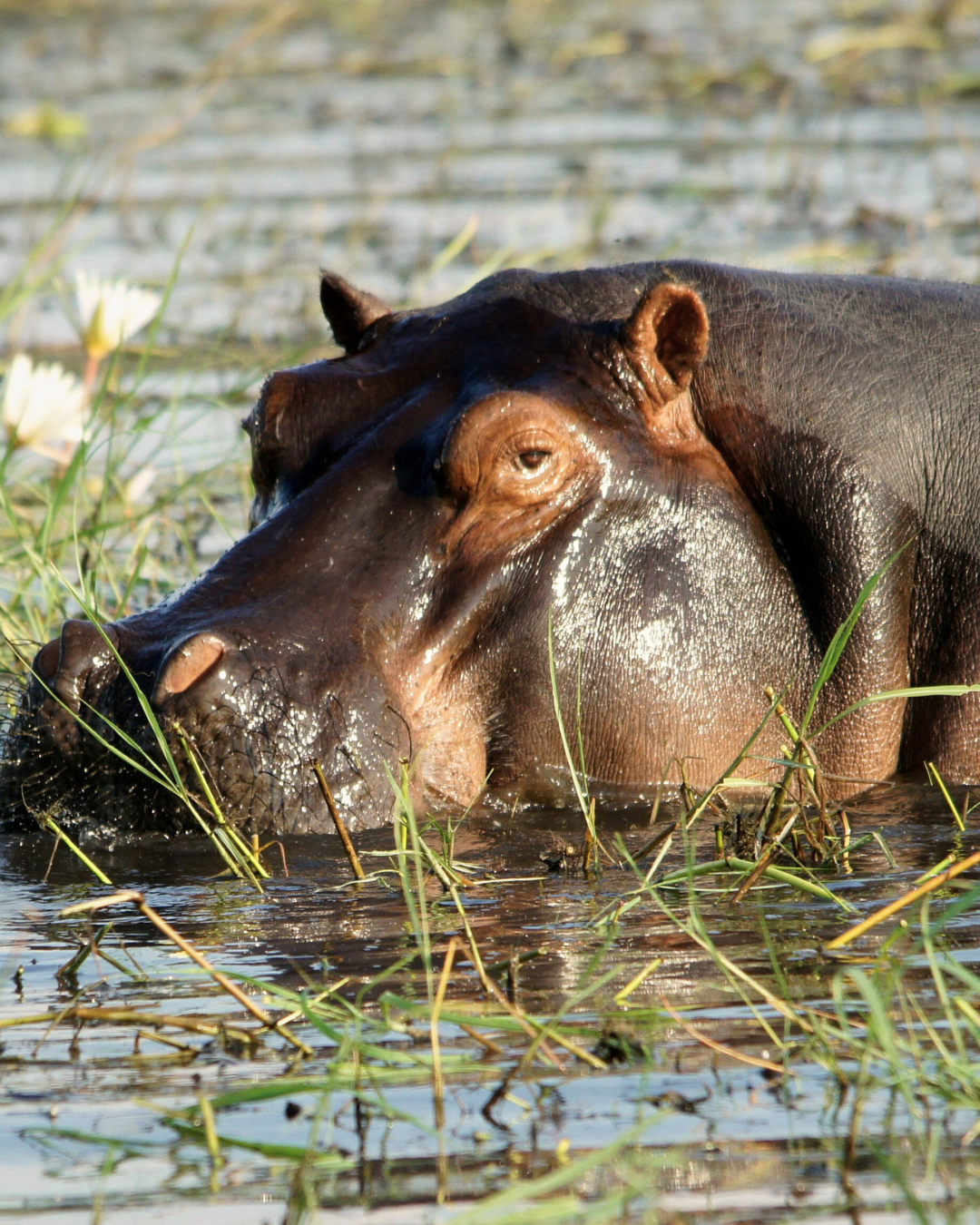
This is Africa at its most lush. South Luangwa in Zambia floods, opening up boat safaris through channels teeming with hippos and crocodiles. The Okavango Delta’s waters are rising, perfect for mokoro canoe trips. Victoria Falls is reaching peak flow—absolutely spectacular.
May–June: Early Dry Season
Wildlife viewing starts getting really good as water sources begin to shrink. Etosha in Namibia is less dusty and crowded than peak season but still offers excellent game viewing. Gorilla trekking conditions in Rwanda are ideal. The Great Migration begins moving north through Tanzania.
July–August: Peak Season
The Great Migration river crossings in Kenya’s Maasai Mara—thousands of wildebeest braving crocodile-infested waters. It’s dramatic, it’s crowded, and it’s absolutely worth it. Laikipia Plateau in Kenya offers incredible diversity without the Mara’s crowds. Southern right whales gather off South Africa’s coast.
September–October: Mega Herds
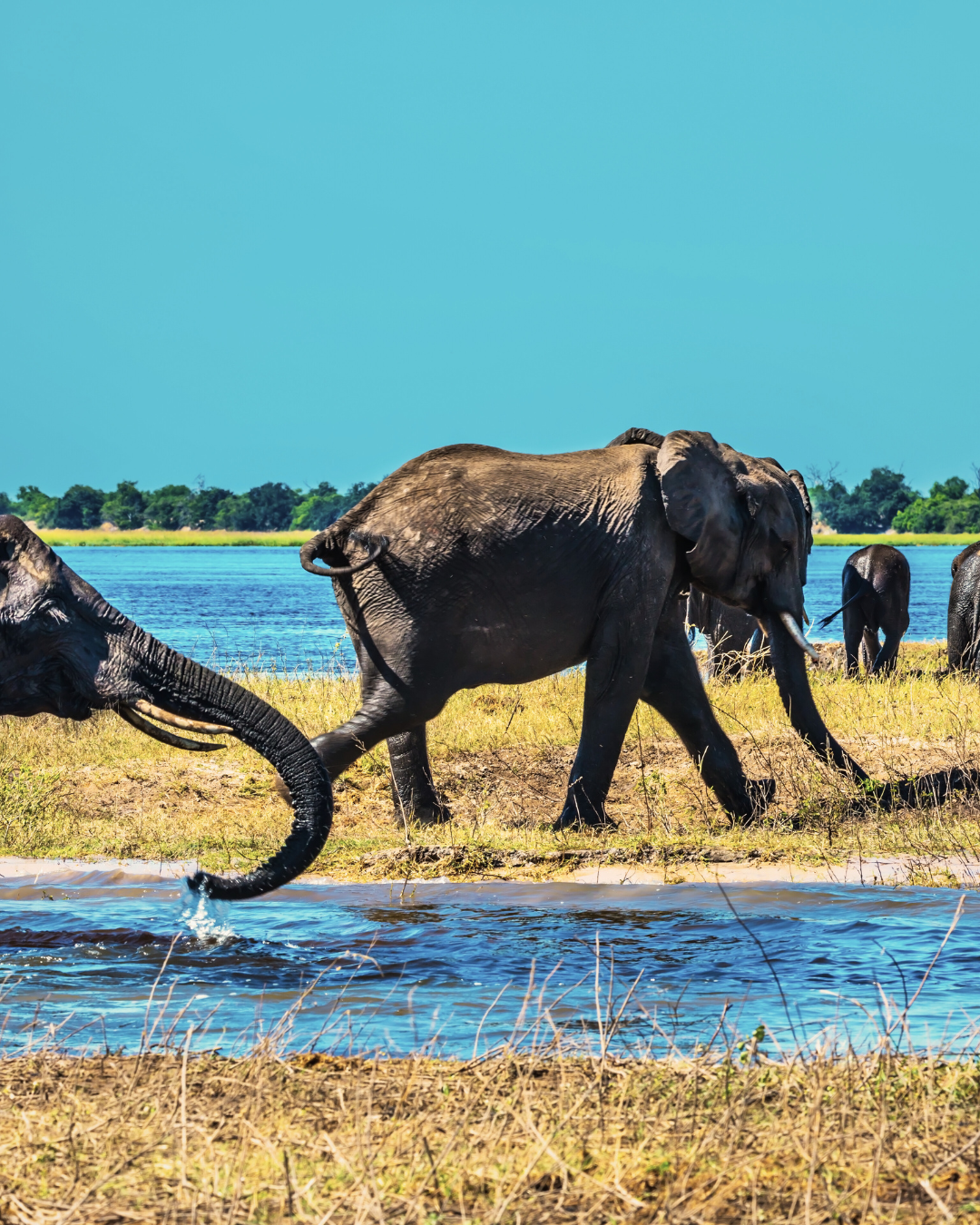
Chobe in Botswana sees the greatest elephant concentrations in Africa—hundreds gathered at the waterfront. Mana Pools in Zimbabwe becomes a wildlife magnet as animals trek to the Zambezi for water. Hot, dusty, and absolutely spectacular for big game viewing.
November–December: Shoulder Season Magic
The first rains arrive, bringing that flush of green. Kruger offers the best of both worlds—new growth and baby animals, but waterholes haven’t filled yet so game is still concentrated. Uganda’s dry season makes gorilla trekking easier. In Zambia, millions of fruit bats descend on Kasanka National Park.
Where to Go: Choosing Your Destination
Africa is vast, and each safari destination has its own personality. Here’s what you should know about the main players:

South Africa: Best for First-Timers and Families
When to go: November through March (July to August for whale watching)
If you’ve never done a safari before, South Africa is hard to beat. Kruger National Park and its private reserves—Sabi Sands, Timbavati—offer some of the best Big Five viewing on the continent. Madikwe is malaria-free, which makes it ideal for families with young kids.
Sabi Sands has the densest leopard population anywhere, so your chances of seeing one are exceptionally high. Many lodges cater specifically to families, with kids’ programs and child-friendly accommodations.
Kenya: For the Great Migration and Coastal Escapes
When to go: June to October
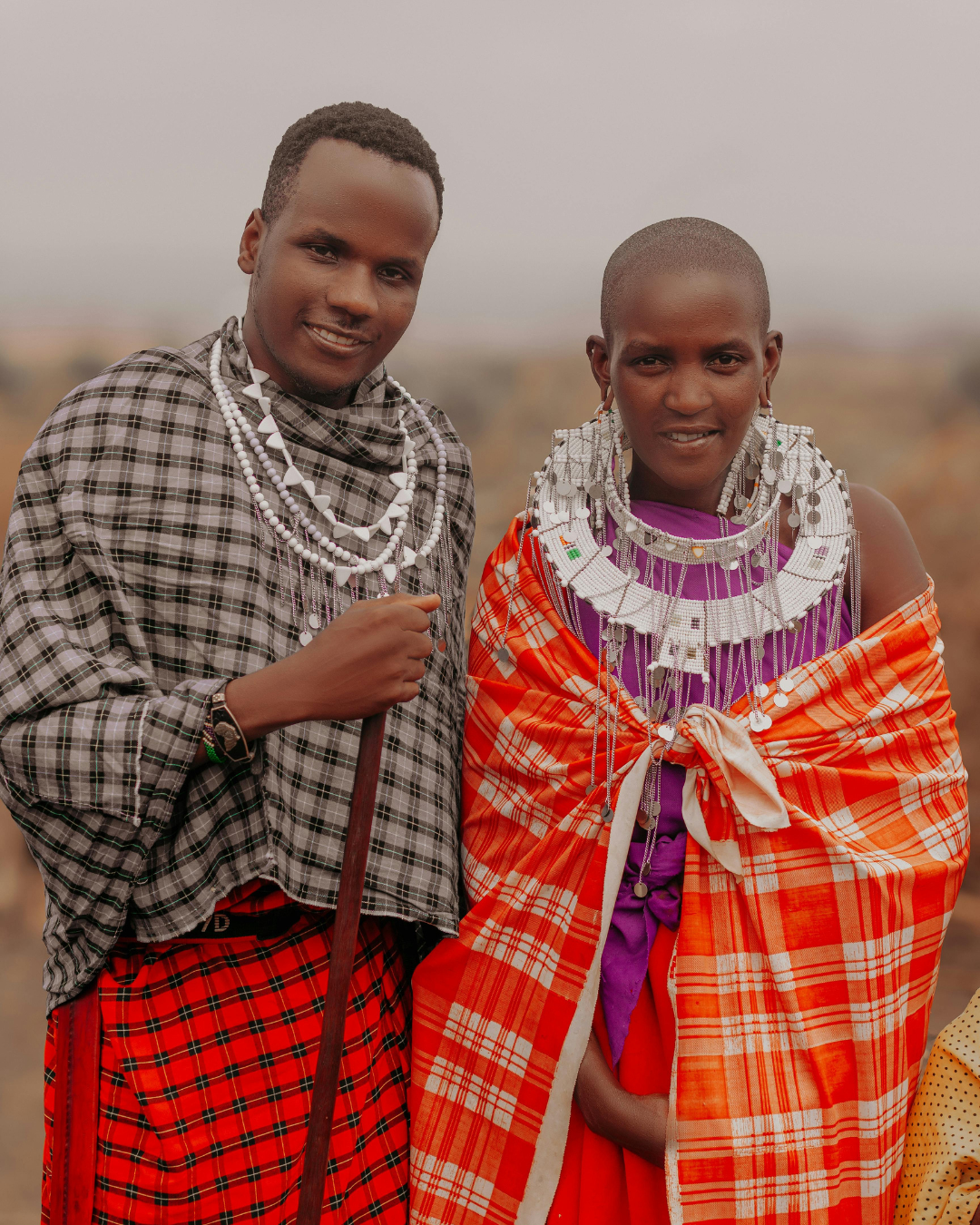
Kenya gives you the best of both worlds: world-class wildlife viewing and pristine Indian Ocean beaches. The Maasai Mara plays host to one of nature’s greatest spectacles—the Great Migration—when thousands of wildebeest and zebra cross the Mara River, evading massive Nile crocodiles in the process.
It’s also home to some of the most romantic lodges in Africa, plus you can tick off a stay at Giraffe Manor if that’s been on your list.
Tanzania: Serengeti and Beyond
When to go: January to March, June to mid-October
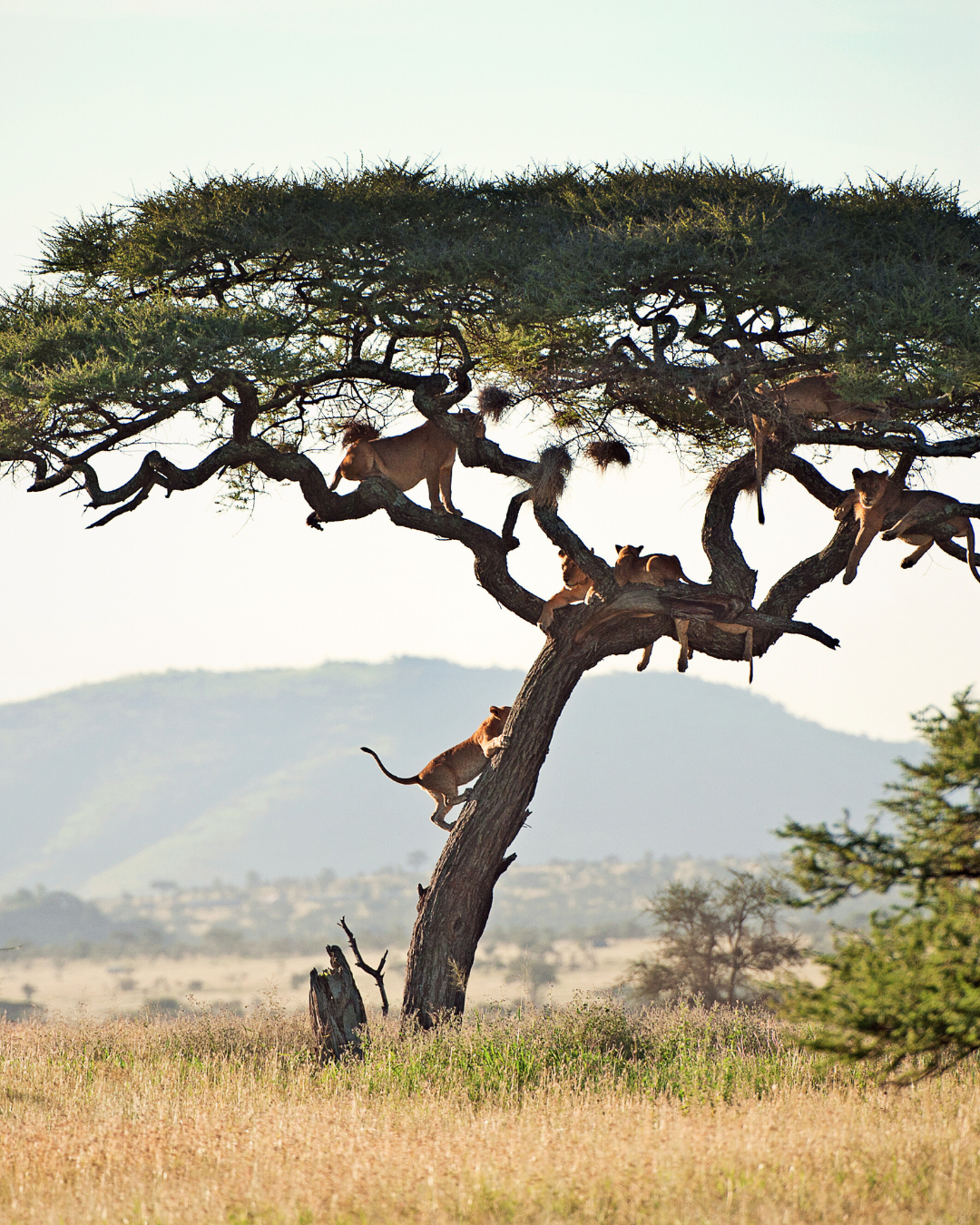
Tanzania offers that classic East African safari experience. The Serengeti is vast and wild, and if you time it right, you can witness the calving season when hundreds of thousands of wildebeest give birth on the southern plains—drawing every predator in the region.
Want something unforgettable? A hot air balloon ride over the Serengeti at sunrise, watching the animal kingdom wake up below you, is worth every penny.
Botswana: For Water-Based Safaris and Exclusivity
When to go: Year-round, but experiences vary by season
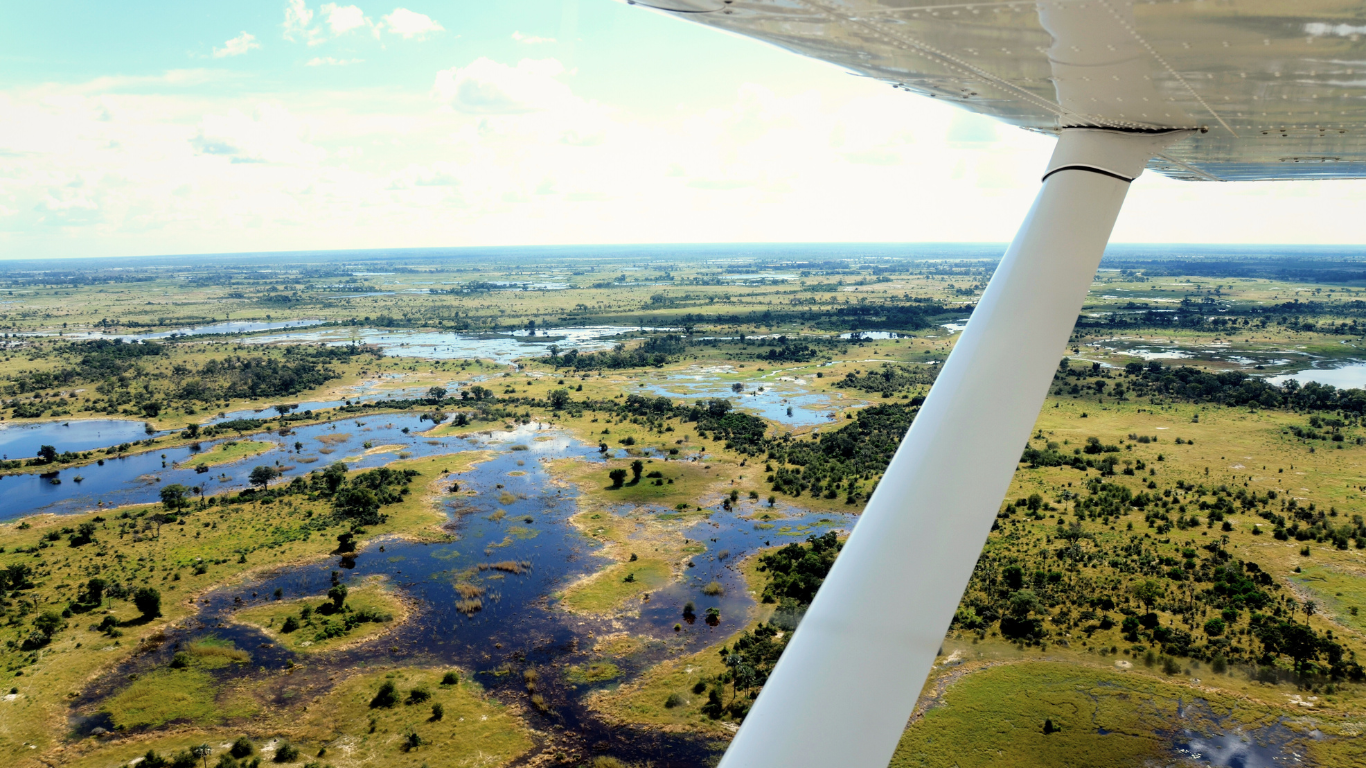
Botswana is where you go when you want something a bit more exclusive. The Okavango Delta—a massive inland river delta—offers a completely different kind of safari. Think gliding through waterways in a traditional mokoro canoe, watching elephants wade through channels, and sleeping under some of the clearest night skies you’ll ever see.
The country has taken a low-volume, high-value approach to tourism, so you won’t be fighting for space at the watering hole. Game viewing here includes unique species like meerkats, and you can explore on horseback if that’s your thing.
Zambia: For Walking Safaris and Victoria Falls
When to go: May to October
Zambia is where serious safari-goers go for an authentic, less-crowded experience. South Luangwa National Park is famous for its walking safaris—there’s something incredible about tracking animals on foot with an armed ranger.
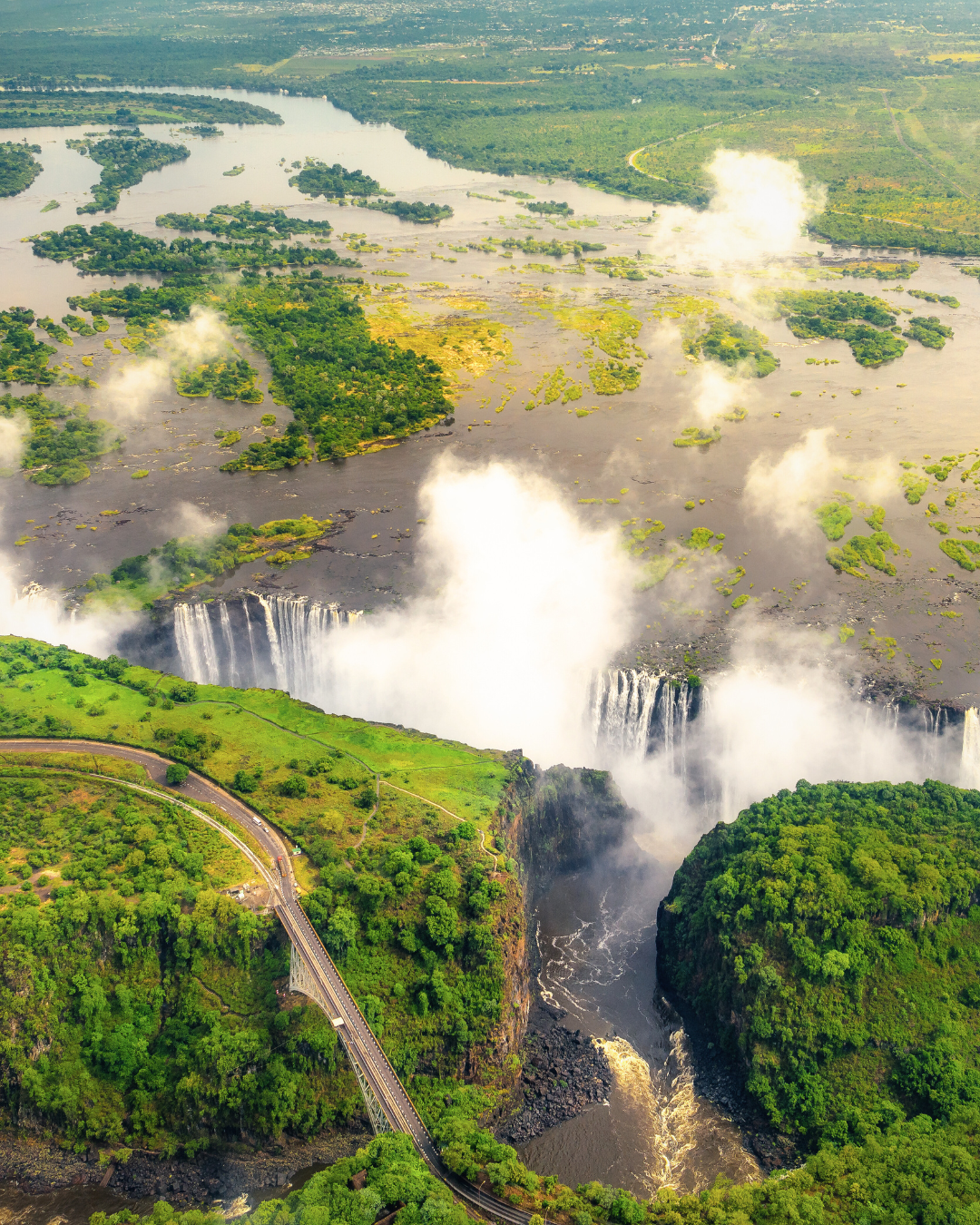
And then there’s Victoria Falls. If you’re visiting between August and January, you can swim in Devil’s Pool, right on the edge of the falls. It’s as thrilling as it sounds.
Zimbabwe: For Thrill-Seekers
When to go: April/May for Victoria Falls at peak flow, July to October for game viewing
Zimbabwe offers some of the most adventurous safari experiences in Africa. Multi-day canoe trips, world-class white-water rafting, and if you’re there during a full moon when Victoria Falls is flowing, you can witness a lunar rainbow—a moonbow—forming in the mist. Guided tours are available for this rare phenomenon.
Mana Pools National Park is one of the few places where you can walk freely (with a guide, of course), and the wildlife here is remarkably relaxed around humans.
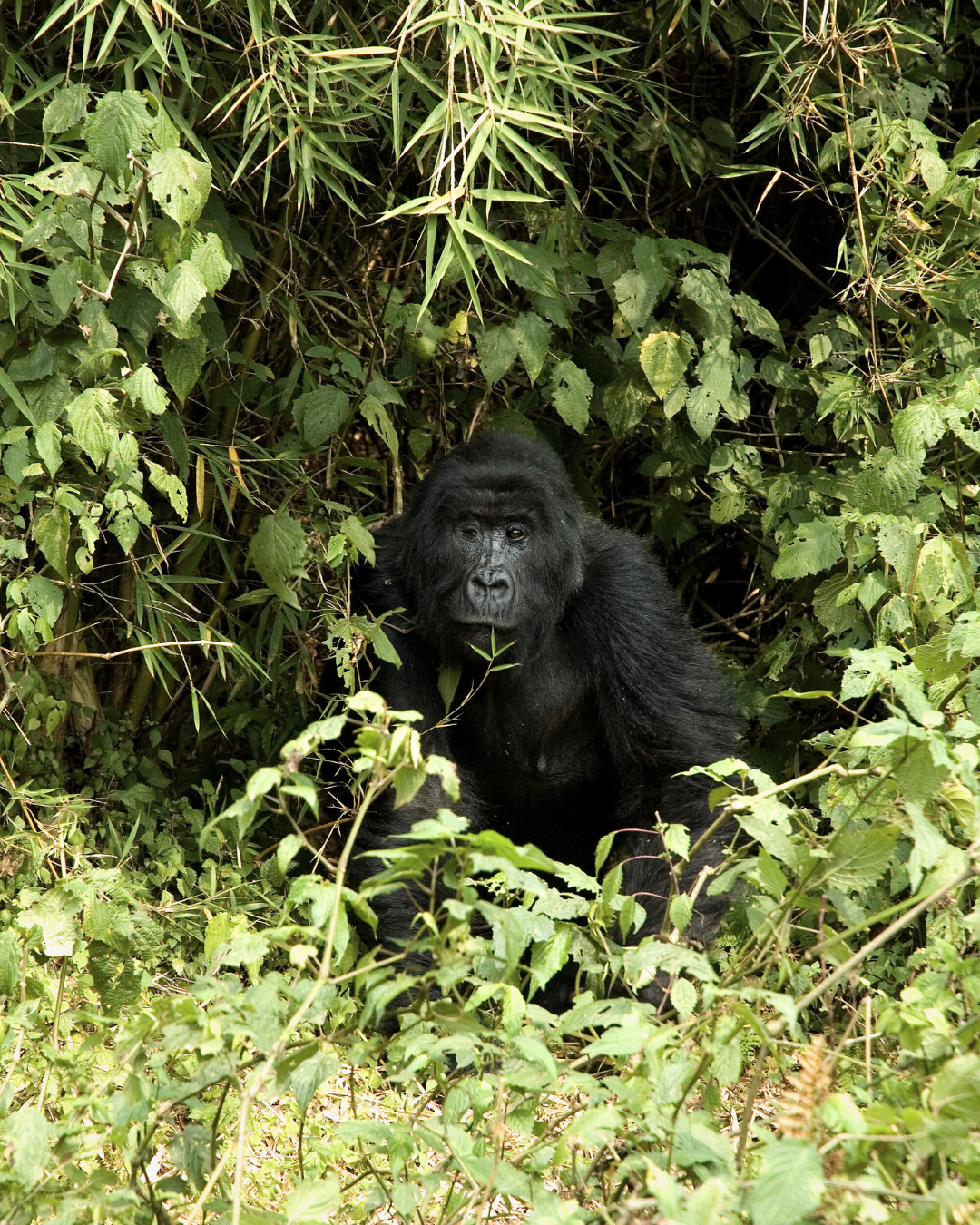
Rwanda: For Gorilla Trekking
When to go: June to September, December to February
If gorillas are your focus, Rwanda is your destination. The trekking here is generally easier than in Uganda, the lodges are stunning, and permits are slightly more accessible. You need to be at least 15 years old to trek, but the experience of sitting quietly with a family of mountain gorillas is something you’ll never forget.
Kigali itself is worth exploring—Rwanda has an emerging art and fashion scene that offers an interesting counterpoint to the traditional cultural experiences.
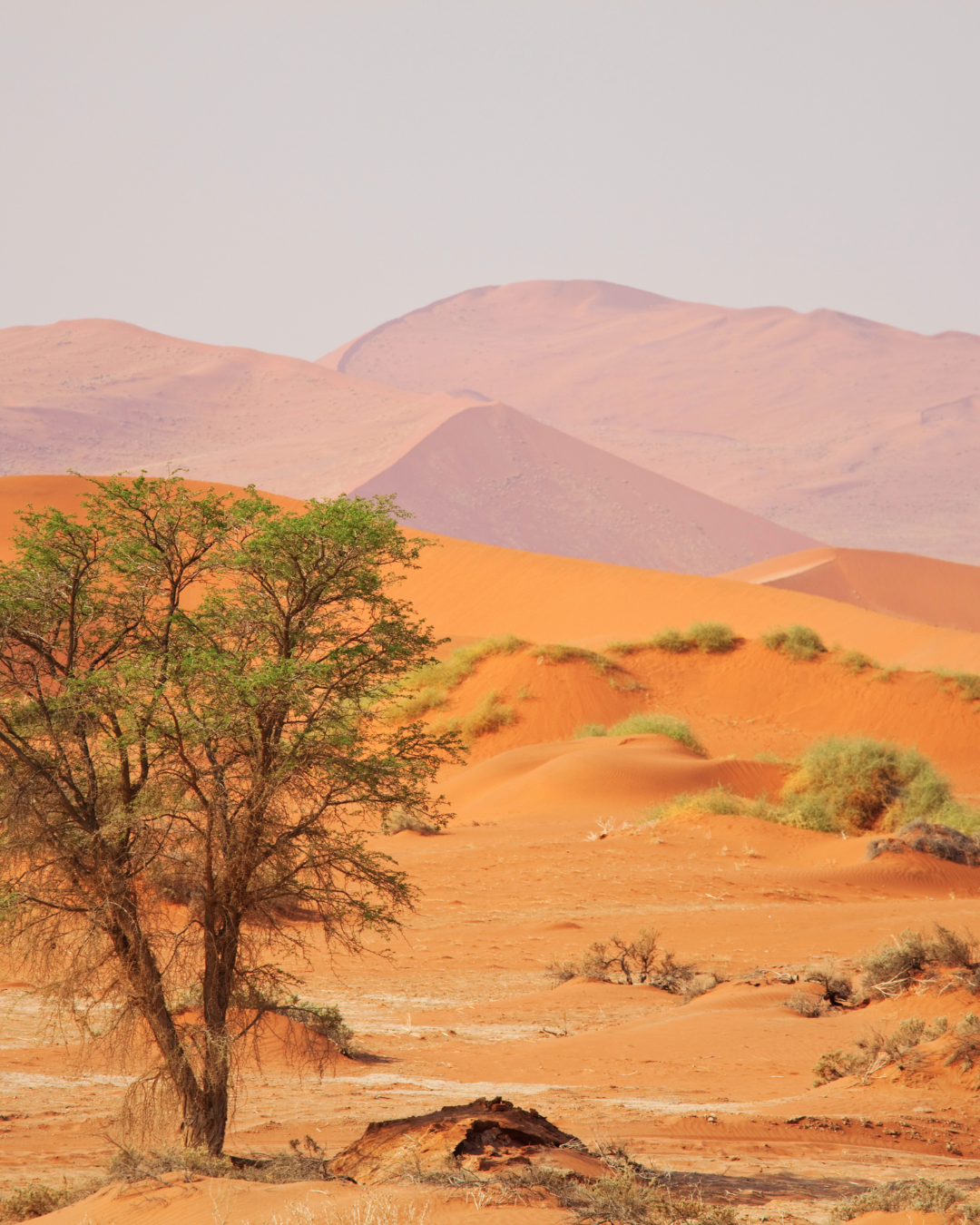
Namibia: For Desert Landscapes and Unique Wildlife
When to go: May to October for wildlife, March to May and August to October for Sossusvlei dunes
Namibia is for travelers who want something beyond the traditional game-drive safari. Etosha National Park offers excellent wildlife viewing—lions, leopards, Namibian cheetahs, Cape wild dogs—but the real draw is the otherworldly landscape.
The Namib Desert is the only desert in the world where endemic plants and animals have evolved in virtually barren dunes. You can do 4x4 adventures along the Skeleton Coast, take scenic flights over the dunes, and sleep under unbelievably clear desert skies in Sossusvlei.
How Far in Advance Should You Book?
Here’s the short answer: as far ahead as you can, especially for peak season travel.
Luxury lodges and tented camps in prime locations book up 9-12 months in advance, sometimes more. Gorilla trekking permits in Rwanda and Uganda? Those can sell out 6-12 months ahead. If you’re hoping to travel during the Great Migration (July to September in the Maasai Mara), you’ll want to start planning at least a year out.
Shoulder season and wet season trips offer more flexibility—you can sometimes book 3-6 months in advance and still have good options. But if you have specific lodges in mind or you’re traveling during school holidays, don’t wait.
What About Combining Destinations?
One of the best parts of planning an African safari is that you can often combine multiple experiences into one trip. Botswana’s Okavango Delta pairs beautifully with Victoria Falls. Kenya’s Maasai Mara can be followed by a beach retreat in Zanzibar or the Mozambique coast. South Africa’s Kruger can lead into Cape Town for wine country and coastal scenery.
The key is building an itinerary that flows naturally without feeling rushed. You’re not trying to see everything—you’re trying to savor each experience.
Ready to Start Planning?
Planning a safari involves more moving pieces than most trips. We’re coordinating flights, internal transfers, lodge bookings, permits, and timing everything to coincide with the wildlife you most want to see. It’s doable on your own, but it takes significant time and research.
If you’d rather spend your energy dreaming about the trip instead of building complex spreadsheets, that’s where I come in. I work with trusted partners across Africa to design safaris that match your interests, your timeline, and your travel style, whether that’s luxury tented camps, family-friendly lodges, or remote wilderness experiences. Let’s talk.