
Mexico City & Oaxaca
Five Days in the Heart of Mexican Culture and Cuisine
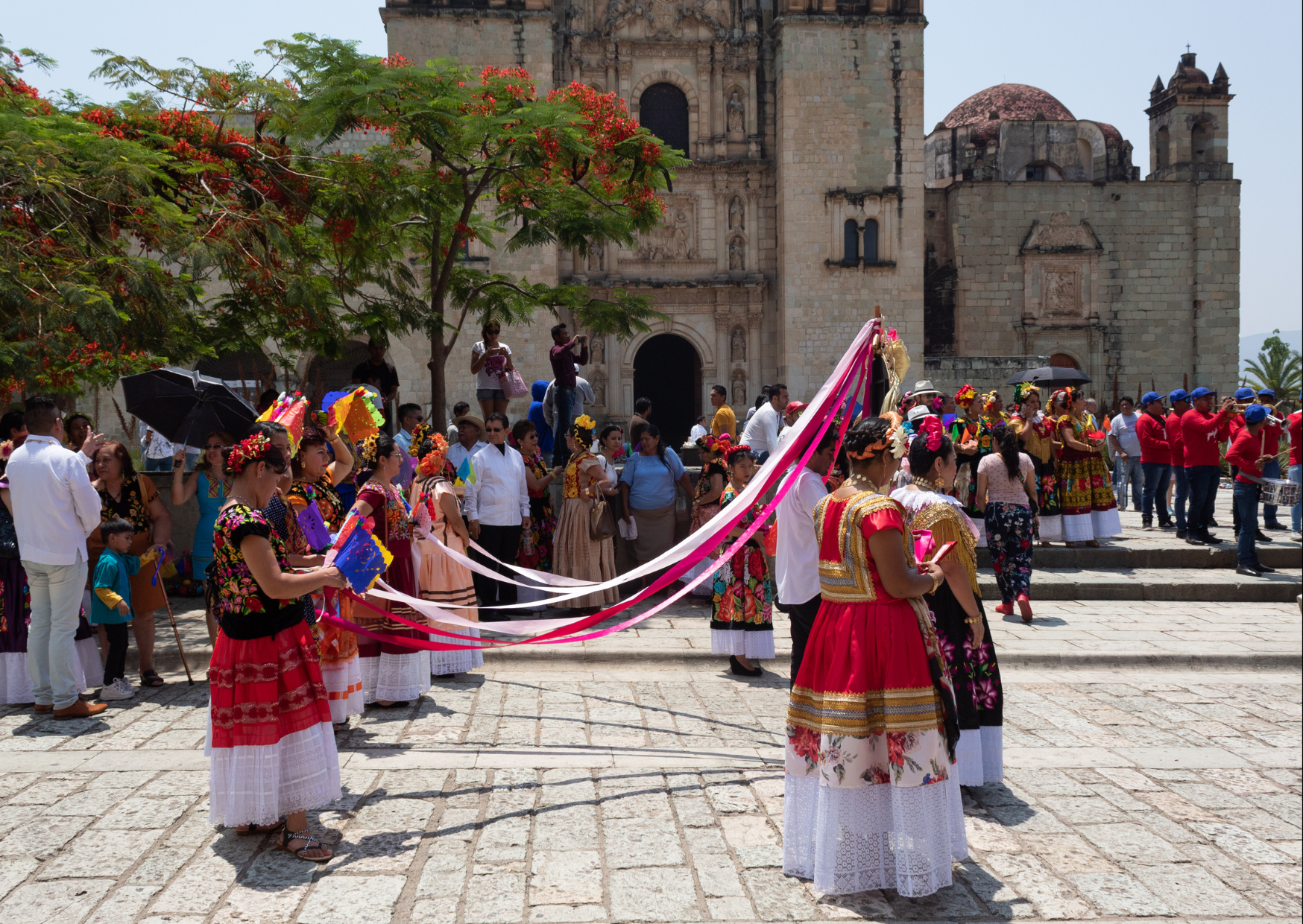
Forget everything you think you know about Mexico and prepare to be completely enchanted. This journey pairs two destinations that couldn't be more different yet complement each other perfectly: Mexico City, a sprawling metropolis where ancient Aztec temples coexist with world-class contemporary restaurants, and Oaxaca, the intimate colonial city that many consider the true heart of Mexican culture and cuisine.
What makes this pairing so compelling is how it reveals Mexico's incredible depth. In Mexico City (or D.F. as locals call it), you'll experience Mexico as a sophisticated global capital with museums that rival Paris and a dining scene that's redefining Latin American cuisine. In Oaxaca, you'll discover Mexico at its most authentic—where indigenous traditions thrive, where mezcal flows like water, and where every meal tells the story of centuries-old culinary wisdom.
Mexico City: Where Ancient Meets Avant-Garde
Roma Norte: The Neighbourhood That Captures Mexico City's Spirit
Start your Mexican adventure in Roma Norte, where tree-lined streets showcase the city's sophisticated side. This is where locals go for leisurely lunches that stretch into the afternoon, where art galleries occupy converted mansions, and where you'll begin to understand why Mexico City has become a global cultural destination.
Contramar represents everything great about Mexico City dining—impeccable seafood preparations, a see-and-be-seen atmosphere, and flavours that will spoil you for coastal Mexican food anywhere else. For a different perspective, Gold Taco proves that vegetarian Mexican cuisine can be just as compelling as traditional preparations.
Chapultepec: Mexico City's Cultural Crown Jewel
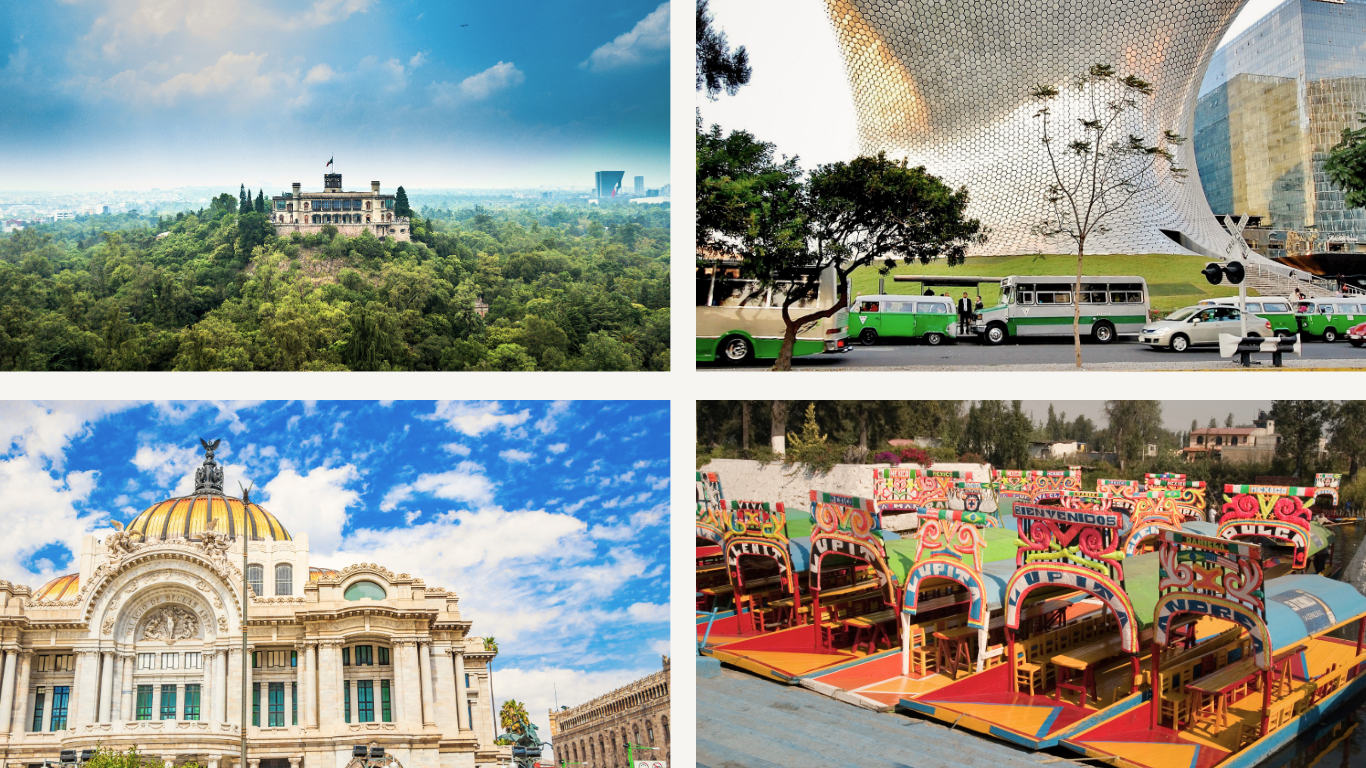
Chapultepec Park isn't just green space—it's Mexico City's cultural epicenter. The National Museum of Anthropology houses the world's finest collection of pre-Columbian artifacts, helping you understand the indigenous civilizations that shaped Mexican identity long before Spanish colonization. The Museum of Modern Art shows how contemporary Mexican artists interpret their complex cultural inheritance.
The nearby Soumaya Museum offers free admission to one of Latin America's most impressive private collections. From pre-Hispanic artifacts to Auguste Rodin sculptures to European masters, it's the kind of eclectic collection that only exists when passionate collectors follow their curiosity rather than curatorial trends.
Historic Centro: Where Mexico's Story Unfolds
The Zócalo (main square) is Latin America's largest plaza, and standing here, you're literally at the center of Mexican history. The Spanish Colonial Cathedral was built directly on top of the Aztec Templo Mayor—a powerful symbol of Mexico's layered identity. The cathedral's mix of Renaissance, Baroque, and Neo-Classical styles reflects the centuries it took to complete.
The Templo Mayor ruins reveal the sophisticated urban planning of Tenochtitlan, the Aztec capital that once rivaled any European city. Walking among these ancient stones while surrounded by modern Mexico City creates a profound sense of historical continuity.
Palacio de Bellas Artes combines stunning architecture (Art Nouveau exterior, Art Deco interior) with Mexico's greatest artistic treasures. The murals by Diego Rivera, Rufino Tamayo, and other masters don't just decorate the walls—they tell Mexico's story from indigenous origins through revolution to modern identity.
Xochimilco: Venice with a Mexican Soul
The canals of Xochimilco represent one of the world's most ingenious urban planning solutions. The Aztecs created this intricate waterway system, and today's colorful trajineras (gondola-like boats) follow the same routes through artificial islands that have sustained Mexico City for centuries. This UNESCO World Heritage site shows how indigenous knowledge continues to shape modern Mexican life.
Coyoacán: Where Art and Revolution Intersect
Coyoacán's cobblestone streets and colonial architecture create the perfect setting for the Frida Kahlo Museum (Casa Azul). Seeing where Kahlo lived and painted provides profound insight into how place, politics, and personal struggle combined to create some of Mexico's most powerful art. The neighborhood itself, with its sidewalk cafés and artisan markets, shows how Mexico City balances preservation with contemporary life.
Oaxaca: Mexico's Cultural Heartland
Flying from Mexico City to Oaxaca is like stepping from a symphony into an intimate chamber concert. Everything here operates on a more human scale, yet the cultural richness is, if anything, more concentrated.
Where Tradition Lives and Breathes
Casa Oaxaca El Restaurante exemplifies Oaxacan cuisine at its most refined—traditional flavours elevated through contemporary techniques, with ingredients sourced from the restaurant's own organic gardens. This is Mexican cuisine as cultural expression, not just sustenance.
The Contemporary Art Museum and Textile Museum show how Oaxacan artists honor indigenous traditions while creating thoroughly modern work. Mercado Benito Juárez brings you face-to-face with the ingredients that make Oaxacan cuisine legendary—local mole powders, single-origin coffee, and the kind of fresh produce that makes every meal memorable.
Colectivo 1050 isn't just a shop—it's a cultural preservation project. The pottery and jewelry here represent centuries-old techniques passed down through indigenous artisan communities. Purchasing here directly supports traditional craftspeople who maintain knowledge that might otherwise disappear.
Hierve el Agua: Nature as Art
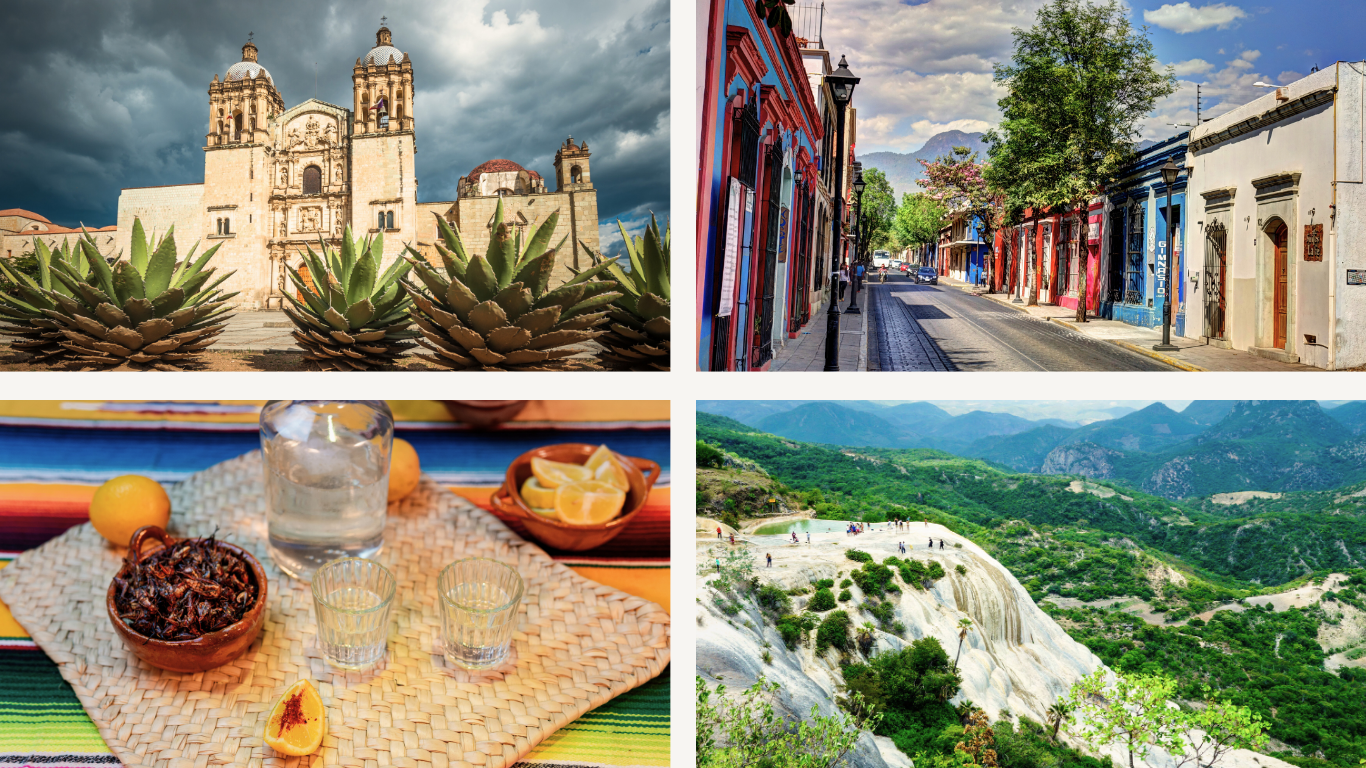
The Hierve el Agua formations prove that Mexico's natural wonders can be as extraordinary as its cultural treasures. These calcified "waterfalls" created over millennia by mineral-rich springs represent some of the world's most unique geological formations. The Zapotec springs and canals built here 2,500 years ago show how indigenous communities understood and worked with natural processes long before modern hydrology.
Criollo restaurant demonstrates why Oaxaca is considered Mexico's culinary capital. Every dish reflects deep knowledge of local ingredients, traditional techniques, and seasonal rhythms that connect diners to the land and its history.
Teotitlán del Valle: Living Heritage
If time permits, Teotitlán del Valle offers one of Mexico's most authentic cultural experiences. The wool rugs created here on hand-operated looms using natural dyes represent unbroken artistic traditions stretching back to pre-Columbian times. Local artisans don't just demonstrate techniques—they share Zapotec history and worldview, showing how traditional knowledge continues to guide contemporary life.
The Mezcal Experience No Oaxaca visit is complete without understanding mezcal in its birthplace. Unlike tequila (which is technically a type of mezcal), traditional mezcal represents hundreds of agave varieties and production methods that vary by family, region, and season. Casa Oaxaca El Restaurante's open-air bar offers mezcal tastings that reveal the spirit's incredible complexity—this isn't party alcohol, it's liquid terroir that captures the essence of Oaxacan landscape and culture.
What Makes This Journey Special
Mexico City and Oaxaca complement each other perfectly. The capital shows you Mexico as a sophisticated global culture—world-class museums, cutting-edge cuisine, ancient and contemporary colliding. Oaxaca brings you closer to Mexico's roots, where indigenous traditions aren't relics but living practices shaping daily life.
This isn't about checking sites off a list. It's about understanding a place through its art, its food, the conversations that happen over mezcal, the artisans still working with centuries-old techniques. You'll come home seeing Mexico differently—not as beach resorts and tacos, but as one of the world's most complex and fascinating cultures.
Ready to experience Mexico beyond the usual?
Fill out the inquiry form and I’ll be in touch to talk through the details.